Key takeaways
- Full 2.5G ports throughout avoid a wired bottleneck on multi-gig plans
- WiFi 7 with 6GHz and MLO for low-latency, high-throughput connections
- EasyMesh expansion and VPN client and server support
- Tidy upright design with concealed antennas
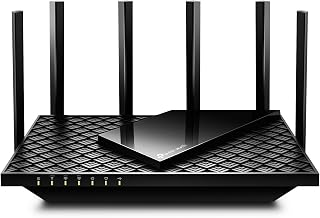
The TP-Link Archer BE550 is a tri-band WiFi 7 router built to bring next-generation wireless to mainstream homes without the eye-watering price of top-tier models. Rated as a BE9300-class router with a full complement of 2.5G ports and six internal antennas, it targets fast multi-gig internet plans and busy households full of connected devices.
It is for people upgrading from WiFi 5 or 6 who want future-proof speed, low latency for gaming, and the headroom of 2.5G wired ports, in a home up to around 2,000 square feet. If you have a sprawling house or need 10G ports, a bigger model fits better, but for most homes the BE550 hits a strong balance of features and cost.
Our top picks





As an Amazon Associate we earn from qualifying purchases at no extra cost to you. Ratings are shown as listed on Amazon.
⚡ Save on Your Next PC — Amazon Prime
Prime members get fast free shipping on the systems above, plus early access to Prime Day & Black Friday PC deals. New members get a 30-day free trial.
Watch: TP-Link Archer BE550 Review — Video Review
Design & Build
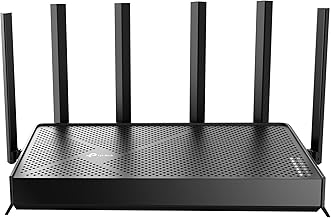
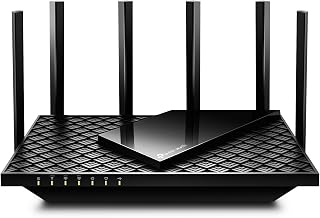
The BE550 takes the now-familiar upright tower shape with concealed antennas, so it looks tidier on a shelf than the spider-like routers of old. The standout hardware feature is that every LAN port and the WAN port are 2.5G, which means no single 1G bottleneck holds back a multi-gig plan, a genuinely forward-looking choice at this price. Build quality is solid, ventilation is adequate, and EasyMesh support lets you add nodes later to extend coverage.
Performance
WiFi 7’s real-world gains come from the 6GHz band, wider channels, and Multi-Link Operation, and the BE550 delivers snappy throughput and low latency to compatible devices while keeping older gadgets happy on the 2.4 and 5GHz bands. For gaming and 4K streaming across many devices at once, it holds up well without the stutter cheaper routers show under load.
Coverage is rated up to roughly 2,000 square feet, which suits apartments and typical homes; larger or multi-floor houses will benefit from adding an EasyMesh node. HomeShield security and VPN client and server support round out a feature set that used to be reserved for pricier hardware.
Pros & Cons
- Full 2.5G ports throughout avoid a wired bottleneck on multi-gig plans
- WiFi 7 with 6GHz and MLO for low-latency, high-throughput connections
- EasyMesh expansion and VPN client and server support
- Tidy upright design with concealed antennas
- Coverage tops out around 2,000 square feet, so big homes need mesh nodes
- WiFi 7 benefits require newer client devices to fully realize
- No 10G port for the fastest fiber tiers
Alternatives to Consider
If you need a faster wired uplink, the TP-Link Archer BE550 Pro adds a 10G port and higher BE9700 rating. For more coverage and device capacity, the Archer BE600 extends range to around 2,600 square feet, while budget-conscious buyers who do not need WiFi 7 yet can drop to the WiFi 6 Archer AX55 and save considerably.
Frequently Asked Questions
Do I need WiFi 7 devices to benefit?
The biggest gains like MLO and 6GHz require WiFi 7 clients, but older devices still benefit from the router’s improved bands and full 2.5G wired ports.
How big a home does it cover?
It is rated for roughly 2,000 square feet; larger or multi-story homes should add an EasyMesh node to extend coverage.
Are the 2.5G ports on every connection?
Yes. This model uses 2.5G for both the WAN and LAN ports, so a multi-gig plan is not throttled by a 1G port.
Does it support a VPN?
Yes. It includes both VPN client and server functionality along with TP-Link’s HomeShield security features.
Verdict
The Archer BE550 is one of the more sensible ways to step into WiFi 7 without overspending, and its full set of 2.5G ports makes it genuinely future-proof for multi-gig internet. For a typical home under 2,000 square feet, it delivers flagship features at a mainstream price, with mesh expansion available if you outgrow a single unit.