Key takeaways
- Find the best batteries for power wheels ride-on toys with this parent guide to 6V and 12V replacements, capacity, connectors, charging and safe storage.
As an Amazon Associate we earn from qualifying purchases.
The real decision is matching voltage and connector, not chasing the biggest capacity number. A Power Wheels vehicle only runs on the voltage it was built for, and the battery must physically fit and plug in. Parents usually face this choice when the original battery no longer holds a charge, the ride-on crawls up slopes it once climbed, or a second battery would double playtime. Getting the match right means the difference between a toy that runs all afternoon and one that sits in the garage.
This guide is written for parents replacing a worn-out battery, grandparents buying a spare so the grandkids keep riding, and anyone who picked up a used Power Wheels with no battery at all. It draws on the battery types, voltages, capacities and connector styles shown on Amazon product pages for Power Wheels replacements, so you can compare options by their listed names and specs rather than by guesswork.
The Battery Types You Will Meet
Most Power Wheels ride-on toys run on sealed lead-acid batteries, the same rechargeable chemistry used in the official Fisher-Price replacement packs. The standard sizes are 6 volt and 12 volt, and the 12-volt packs are the common choice for Jeeps, trucks and dune racers, while smaller 6-volt packs power the lighter single-seat models built for younger children. Capacity is listed in amp-hours, usually 9.5Ah on official 12-volt packs and up to 12Ah or more on compatible replacements.
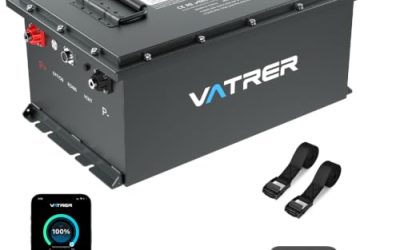
A newer option is lithium iron phosphate, sold as LiFePO4, which weighs less than lead-acid and is often listed with a longer cycle life. These packs need a charger made for lithium chemistry, and they still have to match the vehicle’s voltage and connector. Some third-party packs ship with adapter cables, but an adapter does not fix a wrong voltage, so the vehicle manual remains the final word on what fits.
You will also see battery and charger bundles, which pair a replacement pack with a charger matched to it. Bundles make sense when the original charger is lost, but check that the charger voltage and connector match your vehicle before ordering, because a 6-volt charger will not properly charge a 12-volt battery and a mismatched connector can leave you with parts that do not join up.
How to Tell Your Battery Needs Replacing
A battery that is wearing out gives a few clear warnings. The ride-on slows down on gentle slopes it used to climb, it stops after a much shorter time than it did when new, or it needs charging after every short trip around the garden. Some packs also take far longer to reach a full charge, or the charger light behaves differently from how it used to, which can mean the cells no longer accept a full charge.
Before you buy a replacement, rule out the simple causes. Check that the charger is plugged in firmly and that its light comes on, look for loose or corroded connections at the battery terminals, and make sure nothing is jamming the wheels or the gearbox. If the charger and the connections are fine and the battery still fades fast after a full overnight charge, the pack itself has reached the end of its useful life and a replacement is the sensible next step.
How to Choose
Match the Voltage First
Voltage is the one number you cannot fudge. A 6-volt vehicle needs a 6-volt battery and a 12-volt vehicle needs a 12-volt battery, and putting a higher-voltage pack in a lower-voltage ride-on can damage the motor, the wiring and the gearbox. The voltage is printed on the old battery label, on a sticker near the battery compartment, and in the vehicle manual, so check at least two of those places before you order. If the label is worn away, the model name and the original charger voltage usually point to the right answer, and the manual lists the exact replacement part number for your model.
Check the Connector and the Case Size
The battery has to plug in and sit still. Power Wheels vehicles use a distinctive grey battery case with an orange-topped connector on the official 12-volt packs, and compatible replacements either copy that connector or ship with an adapter lead. Measure the battery compartment before ordering, because a pack that is a few millimetres too tall will stop the seat or the battery cover from closing. Also look at the terminal layout in the product photos and compare it with your old battery, since a terminal on the wrong side can make the cable too short to reach.
Read Capacity as Runtime, Not Power
Capacity, listed in amp-hours, decides how long the ride-on runs, not how fast it goes. A 12-volt 12Ah pack should run noticeably longer than a 12-volt 9.5Ah pack in the same vehicle, because it stores more energy at the same voltage. Real runtime still depends on the child’s weight, hills, grass, and how often the pedal is held flat, so treat the listed capacity as a comparison tool between packs rather than a promise of a set number of minutes. For families who want longer play sessions, stepping up capacity within the same voltage is usually the simplest change that actually helps.
Decide Between Sealed Lead-Acid and Lithium
Sealed lead-acid is the default chemistry for Power Wheels replacements, and it is the safe choice when you want a direct swap with the original charger. The packs are heavy, which keeps the ride-on stable, and they tolerate being left on the shelf between seasons if they are topped up before storage. Lithium iron phosphate packs are lighter and often listed with more charge cycles, which suits families who ride almost daily and want less weight to lift in and out of the compartment. The trade-off is that lithium needs its own charger and costs more, so weigh the daily-use benefit against the extra parts you will need to buy.
Which One Fits Your Situation
Replacing a Dead Original Battery
Start with the official-style 12-volt or 6-volt sealed lead-acid pack that matches your vehicle’s voltage and connector. It drops straight into the compartment, works with the charger you already own, and restores the ride-on to the way it ran when it was new. Keep the old battery until the new one is fitted and tested, so you can compare the label, the terminals and the fit side by side.
Buying a Spare for Longer Play Days
A second battery of the same voltage and capacity as the original is the simplest way to stretch a day at the park. Charge the spare at home, swap it in when the first pack runs down, and the ride-on is back in action in minutes. Label each battery with the date you bought it, and rotate them so one pack does not sit unused while the other does all the work.
Reviving a Second-Hand Ride-On
Second-hand Power Wheels often arrive with a dead battery or none at all, so the battery is the first part to sort out. Check the model plate for the voltage, measure the compartment, and photograph the connector before you buy anything. A compatible sealed lead-acid pack with the right connector is the cheapest way to find out whether the motors and gearbox work, and if the vehicle runs well you can decide later whether a lithium pack is worth it.
Upgrading Runtime Without Changing the Vehicle
If the ride-on runs well but quits too soon, a higher-capacity pack at the same voltage is the upgrade to look at. Moving from a 9.5Ah pack to a 12Ah pack in the same 12-volt vehicle adds runtime without touching the motor or the wiring. Check that the bigger pack fits the compartment and that the connector matches, then charge it fully before the first ride so you get a fair sense of the extra running time.
Battery Safety: Charging, Storage and Voltage
Charge every battery with the charger made for its voltage and chemistry, and never swap a 6-volt charger onto a 12-volt battery or the other way around. The wrong charger can leave a battery undercharged, overheat it, or damage the cells, so match the numbers on the charger label to the numbers on the battery label before you plug anything in. Charge on a hard, flat surface away from bedding, curtains and other flammable material, in a spot with fresh air, and unplug the charger once the battery is full rather than leaving it connected for days.
Store batteries in a cool, dry place with the terminals protected so they cannot touch metal tools or each other, and give a stored battery a top-up charge every few weeks during the off-season so it does not sit flat for months. Keep batteries out of reach of small children when they are not fitted in the vehicle, and never open a battery case or try to add water to a sealed pack. When a battery no longer holds a charge, take it to a local battery recycling point rather than putting it in household waste, because lead-acid packs contain materials that should be recovered properly.
Common Mistakes
- Buying a 12-volt battery for a 6-volt vehicle because the listings look similar — the voltage printed on the old battery label is the number that decides.
- Ordering a pack with the wrong connector and finding the cable cannot reach the terminals, even though the voltage and capacity were right.
- Judging a battery by size alone — a taller pack can stop the seat or the battery cover from closing, so measure the compartment first.
- Leaving the battery flat all winter and expecting it to bounce back in spring — a top-up charge every few weeks keeps it usable.
- Charging a lithium replacement with the old lead-acid charger, which is built for a different chemistry and charging profile.
Frequently Asked Questions
Can I put a 12V battery in a 6V Power Wheels?
No. A 6-volt vehicle is built around 6-volt motors, wiring and switches, and a 12-volt battery can overheat those parts and burn out the motor. The fix for a slow 6-volt ride-on is a fresh 6-volt battery of the right capacity, not a higher voltage. If you want a faster vehicle, the safe route is a ride-on designed for 12 volts from the start.
How long does a Power Wheels battery last on one charge?
Most families get around one to two hours of mixed riding from a full charge, with hills, grass, heavier riders and constant full-throttle driving shortening that time. A fresh battery in good condition runs longest, while an old pack that has spent a winter flat will fade quickly. If runtime drops sharply compared with when the battery was new, the pack is usually near the end of its life.
Can I use a generic 12V battery instead of the official one?
Yes, as long as the voltage, the connector and the case size all match your vehicle. Many compatible lead-acid packs are built to the same dimensions as the official battery and fit the same compartment, and some give a higher capacity for longer runtime. Compare the terminal layout and the measurements in the listing with your old battery before ordering, and keep the charger if it matches the new pack.
How do I store a Power Wheels battery over winter?
Charge the battery, then store it somewhere cool and dry, away from freezing temperatures, with the terminals covered so they cannot short against metal. Give it a top-up charge every few weeks so it never sits flat for months, because a lead-acid battery left discharged can lose capacity for good. Bring it back to a full charge before the first spring ride and check the case for cracks or swelling.
FAQ
Can I put a 12V battery in a 6V Power Wheels?
How long does a Power Wheels battery last on one charge?
Can I use a generic 12V battery instead of the official one?
How do I store a Power Wheels battery over winter?
More from Amazon
Programs that pair well with the guide above. Offers and eligibility are set by Amazon and may change.
Free shipping on eligible items, Prime Video and more. Eligible new members can start with a free trial.
Start a Prime free trialAd-free music streaming. Eligible new subscribers can start with a free trial.
Try Music Unlimited freeA Prime membership for ages 18-24 with a trial period. Eligibility is set by Amazon.
See Prime for Young AdultsAudiobooks and podcasts to listen to on the go. Eligible new members can start with a free trial.
Try Audible freeAs an Amazon Associate we earn from qualifying purchases.