Key takeaways
- Cap your frame rate: Locking frames just below your monitor’s refresh smooths frame pacing and reduces stutter versus an uncapped, fluctuating rate.
- Match V-Sync/VRR correctly: Use G-Sync or FreeSync with a frame cap rather than traditional V-Sync alone for the smoothest delivery.
- Disable fullscreen optimizations: For some games, turning these off in Windows or forcing exclusive fullscreen eliminates hitching.
Few things ruin a gaming session like stuttering: those micro-freezes and hitches that break immersion even when your average frame rate looks fine. Stutter is different from low frame rate; it is inconsistency in frame delivery, and it can come from a dozen sources, from background apps and driver issues to thermal throttling, storage bottlenecks, and shader compilation. The good news is that most stutter is fixable once you methodically rule out causes.
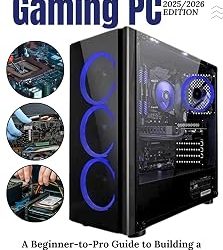
This guide walks through the common culprits in a logical order, so you can diagnose your specific case rather than guessing. We will cover Windows and driver hygiene, in-game settings, thermal and power issues, and storage, along with optimization tools and PC building reference guides that help beginners understand what is actually happening under the hood.
Our top picks
 iolo
iolo- Finds and fixes over 30,000 different issues using…
- Safely wipes sensitive browsing history and patches Windows…
- System Mechanic deploys a series of complex automated…

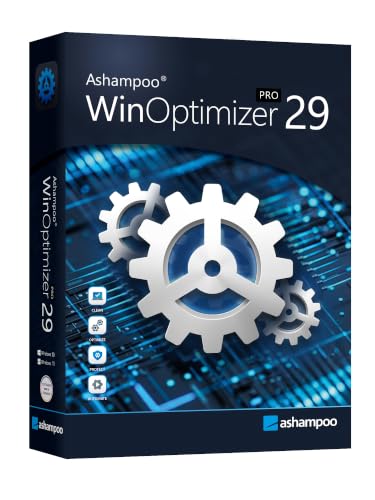 WinOptimizer 29
- Keeps all installed programs updated automatically and securely
- Removes system junk, registry errors, and browser traces…
- Protects your personal data and blocks telemetry tracking.


 WinOptimizer 28
- Possibly the most comprehensive system optimizer on the…
- No more crashes - Fixes annoying errors and…
- Blazing fast, smart, and safe: Registry Optimizer 2:…


As an Amazon Associate we earn from qualifying purchases at no extra cost to you.
⚡ Save on Your Next PC — Amazon Prime
Prime members get fast free shipping on the systems above, plus early access to Prime Day & Black Friday PC deals. New members get a 30-day free trial.
Watch: How to Fix Game Stuttering on PC — Video Review
Rule Out Background Processes
Open Task Manager and check what is eating CPU, RAM, or disk while you game. Overlays, browsers with dozens of tabs, cloud sync, and aggressive antivirus scans are frequent stutter sources. Close what you do not need, and consider a lightweight optimization tool like a reputable system tune-up utility to manage startup apps and background services rather than doing it all manually.
Update and Clean Your Drivers
Outdated or corrupted GPU drivers are a top cause of hitching. Do a clean install of the latest driver using DDU (Display Driver Uninstaller) in safe mode, then install fresh. Keep Windows updated too, but avoid beta drivers that can introduce new stutter. A clean driver stack resolves a surprising share of frame-time problems on its own.
Tune In-Game and Windows Settings
- Cap your frame rate: Locking frames just below your monitor’s refresh smooths frame pacing and reduces stutter versus an uncapped, fluctuating rate.
- Match V-Sync/VRR correctly: Use G-Sync or FreeSync with a frame cap rather than traditional V-Sync alone for the smoothest delivery.
- Disable fullscreen optimizations: For some games, turning these off in Windows or forcing exclusive fullscreen eliminates hitching.
Check Temperatures and Power
Thermal throttling causes sudden frame drops when the CPU or GPU gets too hot and clocks down. Monitor temperatures during a stutter-prone session; if the CPU spikes toward 90C or the GPU is very hot, improve cooling or airflow. Also set the Windows power plan to High Performance so components are not aggressively downclocking mid-game.
Address Storage and Shader Stutter
Games installed on a slow or nearly full drive can stutter while streaming assets, so keep your library on a healthy SSD with free space. Shader compilation stutter, common in newer titles on first launch, often resolves after the game builds its shader cache, so let it complete rather than quitting early. Beginner PC guides can help you understand which of these applies to your rig.
Tips
- Test one change at a time: Fix and retest individually so you know exactly which change stopped the stutter.
- Watch frame time, not just FPS: A frame-time graph reveals stutter that an average frame rate hides.
- Keep 15-20% SSD free: A cramped drive slows asset streaming and can cause hitching during loads.
- Let shaders finish compiling: First-run stutter in new games often disappears once the shader cache is built.
Frequently Asked Questions
Why does my game stutter even with high FPS?
High average FPS can still hide inconsistent frame times. Stutter comes from spikes caused by background tasks, thermal throttling, storage streaming, or shader compilation, not from the average number.
Does capping my frame rate reduce stutter?
Often yes. A stable cap just below your refresh rate, paired with G-Sync or FreeSync, smooths frame pacing and eliminates the fluctuations that cause visible hitching.
Can a slow hard drive cause stuttering?
Absolutely. Games streaming textures from a slow or full drive stutter during asset loads. Moving the title to a healthy SSD with free space usually helps immediately.
Is stuttering a hardware or software problem?
It can be either. Start with software, drivers, background apps, settings, then check hardware factors like temperatures and storage. Methodical elimination finds the real cause.
Conclusion
Stuttering is almost always solvable once you stop guessing and work through the causes in order: background processes, drivers, settings, temperatures, and storage. Cap your frame rate, pair it with VRR, keep drivers clean and the SSD healthy, and watch frame times rather than the FPS average. Methodical troubleshooting turns a hitchy mess back into smooth, immersive gaming.