Key takeaways
- One zipped pocket for a charging cable and small adapter.
- Elastic loops or a secure sleeve for storage cards and USB drives.
- A separate compartment for a power bank, ideally positioned away from the screen.
- A shallow pocket for earbuds, a cleaning cloth, or a compact Bluetooth receiver.
Many buyers make the same mistake when shopping for a handheld PC carrying case: they buy a case that is “close enough” in size, then discover the sticks are pressed against the lid, the charger has nowhere safe to go, or the device shifts around in transit. Others overcorrect and buy an oversized bag designed for a desktop tower. Those large PC travel bags can be useful for ATX or mini-tower computers, but they are not a practical fit for a handheld gaming PC.
A good handheld case should protect the controls, fit the device without forcing it into place, and carry the essentials without becoming bulky. In 2026, this matters even more because handheld PCs vary widely in width, thickness, screen size, and accessory needs. A slim case for a compact 7-inch device may not safely fit a larger 8-inch handheld, especially with a grip case or thumb-stick caps installed.
Our top picks


As an Amazon Associate we earn from qualifying purchases at no extra cost to you. Ratings are shown as listed on Amazon.
Decide These 3 Things First
- Measure your handheld with its everyday accessories attached. Measure width, height, and depth with any protective shell, grip, stick caps, or charging adapter you plan to leave on. Do not rely only on the manufacturer’s bare-device dimensions.
- Choose hard-shell protection or soft-bag portability. A molded EVA hard case is usually best for flights, commuting, and packing the handheld in a larger suitcase. A padded sleeve or soft case is lighter and more flexible, but offers less crush protection.
- Decide what must travel with the device. At minimum, most owners need room for a charging cable, wall adapter, and a few storage cards. If you carry a full-size charger, power bank, dock, keyboard, or controller, look for a larger travel bag rather than trying to overfill a compact case.
1. Size and Device Fit
Fit is the first requirement in what to look for in handheld pc carrying case shopping. The case should hold the handheld snugly enough that it cannot slide from side to side, while leaving clearance above the analog sticks and triggers.
For a typical 7-inch handheld PC, an internal compartment around 12 to 13.5 inches wide, 4.75 to 6 inches tall, and 1.5 to 2.5 inches deep is often appropriate. Larger 8-inch-class devices or handhelds fitted with thick grip cases may need internal dimensions closer to 13.5 to 15 inches wide and 6 to 7 inches tall. Always compare the seller’s internal measurements—not just exterior measurements—to your own device.
Leave about 0.25 to 0.5 inch of space around the body of the handheld. More than 1 inch of open space can allow movement unless the case includes shaped inserts, adjustable dividers, or a retaining strap. Conversely, a case that requires pressure to zip shut can damage sticks, shoulder buttons, or a screen protector over time.
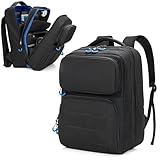
Do not confuse a handheld case with a desktop PC carrying bag. For example, an 18 x 14 x 8-inch mini-tower travel bag is intended for a small desktop chassis and accessories. It is far too large for a handheld unless you are deliberately building a complete mobile workstation kit around it.
2. Protective Materials and Interior Padding
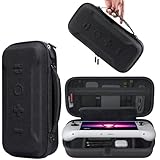
The best balance for most people is a semi-rigid EVA shell with a soft microfiber, felt, or brushed-fabric lining. EVA is lightweight, holds its shape better than basic fabric, and helps resist everyday impacts inside a backpack or carry-on.
Look for exterior shell thickness in the general range of 3 to 8 mm, plus a padded interior. Sellers do not always list foam thickness, so inspect product photos closely for a visibly structured lid and a raised interior perimeter. A case with a flat, unpadded lid can place direct pressure on thumb sticks when something heavy rests on top of it.
Water resistance is useful, but understand the difference between water-resistant fabric and waterproof construction. Polyester or nylon with a coated finish can handle light rain and spills. It will not protect electronics if submerged or left exposed during a downpour. For regular outdoor commuting, choose a case with covered zippers or a zipper flap, not merely a water-repellent outer fabric.
A soft interior should be lint-free and nonabrasive, especially if your handheld has a glossy display or you use a screen protector. Avoid rough mesh directly over the screen unless there is a padded divider between the mesh pocket and the device.
3. Construction, Zippers, and Control Protection
Construction determines whether a case remains useful after months of travel. Check for reinforced stitching at the handle anchors, zipper ends, and shoulder-strap loops. These are the areas most likely to fail when a bag is loaded with chargers, power banks, and accessories.
For handheld-only cases, a two-way zipper is convenient because it lets you open the case from either side. The zipper should travel smoothly around corners without snagging the lining. Larger zipper pulls are easier to use than tiny metal tabs, particularly when you are opening the case on a train or in an airport.
Inside, prioritize one of three control-protection systems: a molded device cradle, a padded retaining strap, or a padded divider that closes over the handheld. The best designs keep the screen and sticks separated from accessory pockets. If a charger, cable, or power bank can rest directly against the display, the layout is not protective enough.
Check the lid depth. Many cases fit the body but not the controls. As a practical guideline, look for at least 0.5 inch of protected clearance above the highest point of the sticks when the case is closed. If you use tall stick caps, measure with them installed.
4. Carrying Comfort and Accessory Organization
A compact handheld case should be easy to carry even when it is not inside another bag. For day-to-day use, a case weighing about 0.5 to 1.5 pounds empty is comfortable and portable. Larger shoulder bags with room for a dock, controller, and charging gear may weigh 2 to 4 pounds before the equipment is added.
A simple top handle is sufficient for a hard-shell case. If you expect to walk more than a few minutes with extra gear, choose a bag with a removable shoulder strap at least 1.25 inches wide and a padded shoulder section. Narrow webbing straps can dig in once the bag reaches 6 to 10 pounds.
Accessory storage should be organized, not merely abundant. A useful layout includes:
- One zipped pocket for a charging cable and small adapter.
- Elastic loops or a secure sleeve for storage cards and USB drives.
- A separate compartment for a power bank, ideally positioned away from the screen.
- A shallow pocket for earbuds, a cleaning cloth, or a compact Bluetooth receiver.
Be cautious with built-in organizer panels that are too thick. A packed mesh pocket can press against the handheld when the lid closes. For a 45W to 65W charger, allow roughly 1 to 1.5 inches of accessory-pocket depth. For a larger 100W charger or a 10,000 mAh power bank, a dedicated lower compartment is safer than a lid pocket.
5. Price Tiers and Value
Price should reflect the type of protection and the amount of gear you need to carry—not just the logo on the case.
Budget cases: $15 to $30. At this level, expect soft fabric sleeves, basic EVA shells, simple mesh pockets, and limited internal organization. These can be good for protecting a handheld inside a backpack, provided the fit is exact and the zipper is decent. Avoid budget cases that have no padding in the lid or no way to secure the device.
Mid-range cases: $30 to $60. This is the sweet spot for most buyers. You can reasonably expect a shaped interior, better zipper hardware, a sturdy handle, more thoughtful accessory storage, and room for a standard charger. Many well-designed travel cases fall in this range.
Premium cases and bags: $60 to $120 or more. Higher prices should bring meaningful benefits: stronger shell structure, removable dividers, more durable fabrics, better strap hardware, lockable zipper pulls, or space for a dock and travel peripherals. Do not pay premium pricing solely for a large bag if you only carry the handheld and cable.
Desktop PC travel bags priced around $25 to $50 may appear like a bargain, but their capacity is meant for computer towers rather than handhelds. Buy one only if you genuinely need to transport a mini desktop, keyboard, mouse, and cables alongside your handheld setup.
6. Warranty, Delivery, and Setup Details
A carrying case needs little assembly, but the details still matter. Before removing tags or disposing of packaging, test the fit with your actual device, charger, and accessories. Zip it closed without forcing the zipper, gently lift it by the handle, and confirm that the handheld does not move noticeably inside.
Look for a return window of at least 30 days, particularly when buying a universal-fit case. A one-year limited warranty is a reassuring baseline for mid-range and premium bags, although it usually covers manufacturing defects rather than normal wear, accidental damage, or overloaded straps.
For delivery, check the packed dimensions if you need the case before a trip. Hard-shell cases can arrive with temporary creases in fabric trim or a mild packaging odor; airing them out for 24 to 48 hours is usually enough. If the case arrives warped, with a zipper that splits, or with crushed foam that does not recover, arrange a replacement rather than hoping it will improve with use.
Spec Checklist
| Spec | Budget | Mid | Premium |
|---|---|---|---|
| Typical price | $15–$30 | $30–$60 | $60–$120+ |
| Exterior | Padded polyester or basic EVA | Semi-rigid EVA, nylon, or coated polyester | Reinforced EVA or structured travel fabric |
| Device retention | Snug fit or basic flap | Retention strap, molded cradle, or padded divider | Custom-fit insert or adjustable divider system |
| Accessory capacity | Cable and small charger | 65W charger, cable, cards, earbuds | Charger, power bank, dock, and select peripherals |
| Empty weight | 0.4–1 pound | 0.8–2 pounds | 1.5–4 pounds |
| Best use | Backpack protection and local trips | Regular commuting and travel | Frequent travel or complete mobile setups |
Red Flags
- No internal dimensions listed, only vague claims such as “fits most handhelds.”
- A lid pocket that rests directly on the screen or analog sticks.
- A case that is more than 1 inch larger than the handheld on several sides without dividers or straps.
- Thin fabric with no rigid panel, especially if you travel by air or pack the case in checked luggage.
- Oversized accessory compartments that encourage loose chargers and power banks to shift around.
- Photos that show a handheld placed loosely in a desktop-tower travel bag with no protective insert.
- Straps attached by a single row of stitching or lightweight plastic clips on a heavily loaded bag.
FAQ
Should I buy a hard case or a soft carrying bag for a handheld PC?
Choose a hard or semi-rigid EVA case if the handheld will go in a backpack, suitcase, or carry-on with other items. Choose a padded soft bag if you need to carry a charger, dock, and accessories, and you can keep the device in a protected compartment.
How much larger should the case be than my handheld PC?
Ideally, allow about 0.25 to 0.5 inch around the device body. A larger case can work only if it has a molded cradle, adjustable dividers, or a secure retention strap to prevent movement.
Can I store the charger in the same case as the handheld?
Yes, as long as the charger is in a separate pocket or behind a padded divider. Do not let a 45W, 65W, or 100W charger rest against the screen, sticks, triggers, or rear vents.
Is a desktop PC carrying case useful for handheld gaming PCs?
Usually, no. Tower travel bags are designed for much larger equipment and can leave a handheld unsecured. They make sense only when you are transporting a mini desktop or a full mobile workstation with a keyboard, mouse, cables, and other larger peripherals.