Our Top Picks
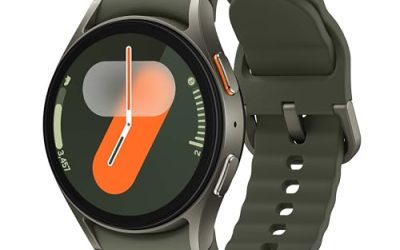
 Samsung Galaxy Watch 7 40mm Bluetooth AI Smartwatch40mm9.5 x 2 x 1.5 inches0.4 poundsCheck on Amazon


As an Amazon Associate we earn from qualifying purchases.
A smartwatch comparison only helps if it compares the things that change your day. A bright screen matters outdoors, but not if the battery cannot finish a weekend. A long list of health sensors matters, but only if the watch works with the phone already in your pocket. Built-in GPS matters most to the runner who leaves that phone at home, not to the person who mainly wants notifications, timers, and sleep tracking between gaming sessions.

This guide compares five smartwatches with five different approaches: the Apple Watch Series 10, Samsung Galaxy Watch 7, Garmin Venu 3, Google Pixel Watch 3, and Fitbit Sense 2. All five are smartwatches, all track health and activity, and all are sold on Amazon US. They differ in operating system, battery life, display shape, and phone compatibility, so the right choice is about matching the watch to your phone, charging habits, and the data you will actually look at.
For readers of a battery-focused site, charging rhythm deserves special attention. Two of these watches are built around daily charging, one needs a top-up every few days, and two can stretch across most of a week or longer. That difference shapes sleep tracking and whether you pack a charger for a short trip.
Disclosure: This article contains affiliate links. If you buy through a link on this page, we may earn a commission at no additional cost to you.
Quick Picks
- Best for iPhone owners: Apple Watch Series 10 — tight iOS integration, Always-On Retina display, ECG app, and water resistance in a 42 mm case.
- Best for Samsung and Android phones: Samsung Galaxy Watch 7 — 40 mm Bluetooth model with Energy Score, heart rate tracking, sleep monitoring, and 32 GB storage.
- Best battery life: Garmin Venu 3 — 1.4-inch AMOLED touchscreen, 45 mm case, built-in GPS, and battery life measured in days.
- Best for Pixel and Fitbit app users: Google Pixel Watch 3 — 41 mm Android smartwatch with heart rate tracking, Fitbit running features, and a stated 24-hour battery.
- Best for stress and sleep: Fitbit Sense 2 — ECG app, SpO2, continuous heart rate, built-in GPS, and stress and sleep tools.
At a Glance: Specs Comparison Table
| Model | Case and display | Battery | GPS | Health tools | Compatibility |
|---|---|---|---|---|---|
| Apple Watch Series 10 (GPS, 42 mm) | 42 mm case, Always-On Retina display | Daily charging class | GPS model | ECG app, fitness tracking, water resistant | iPhone |
| Samsung Galaxy Watch 7 (40 mm, Bluetooth) | 40 mm case, round display | No headline multi-day figure in listing title | Positioning via built-in and connected features | Energy Score, Wellness Tips, heart rate, sleep monitor | Android, strongest with Samsung |
| Garmin Venu 3 (45 mm) | 45 mm case, 1.4-inch AMOLED touchscreen | Up to 14 days class in smartwatch mode for the Venu 3 line | Built-in GPS | Heart rate, Pulse Ox, Body Battery, sleep and stress | Android and iPhone |
| Google Pixel Watch 3 (41 mm, Wi-Fi) | 41 mm aluminum case, round display | 24-hour battery stated in listing title | Built-in GPS | Heart rate, Fitbit advanced running, fitness insights | Android |
| Fitbit Sense 2 | One size, S and L bands included | 6+ days class for the Sense line | Built-in GPS | ECG app, SpO2, 24/7 heart rate, stress and sleep tools | Android and iPhone |
Read the table as a starting point. The sections below explain where each watch wins and where it compromises.
1. Apple Watch Series 10 (GPS, 42 mm)
The Series 10 is the comparison point for iPhone owners because so much of its value comes from iOS integration. Notifications, replies, calls, timers, and app alerts arrive in the system your phone already uses. The listing describes a 42 mm case, GPS, an Always-On Retina display, the ECG app, fitness tracking, and water resistance.
The always-on display is practical: you can glance at the time, a timer, or a workout metric without a wrist raise, which helps while cooking, training, or holding a controller. The rectangular case also shows more text than a round dial, so messages are easier to scan.
Health tracking covers heart rate, workouts, sleep, and the ECG app for taking an electrocardiogram from the wrist in supported regions. It is not a medical device and does not replace clinical assessment, but as a daily record inside Apple Health it is coherent and easy to review.
The compromise is battery rhythm and compatibility. This watch is for iPhone users, and it belongs on a charger daily. If you wear it overnight for sleep tracking, plan a top-up while showering or getting ready.
Key specs from the listing: 42 mm GPS case; Always-On Retina display; ECG app and fitness tracking; water resistant; iPhone only.
Pros: Deepest iPhone and iMessage integration; easy-to-read always-on display; rectangular screen shows more text; mature health ecosystem.
Cons: Not practical for Android owners; daily charging; GPS model has no cellular connection of its own.
See the Apple Watch Series 10 on Amazon
2. Samsung Galaxy Watch 7 (40 mm, Bluetooth)
The Galaxy Watch 7 is Samsung’s answer for Android owners who want a watch that extends a Galaxy phone. The listing for the 40 mm Bluetooth model in Cream describes an AI smartwatch with Energy Score, Wellness Tips, heart rate tracking, a sleep monitor, and fitness tracking, with 32 GB storage and 2 GB RAM in listing details.
Energy Score frames the experience. Instead of presenting sleep, activity, and heart data as separate charts, the watch rolls recovery signals into a daily summary in Samsung Health, paired with Wellness Tips. For a buyer who ignores raw graphs, that guided layer can be the difference between data collected and data used.
The 40 mm round case suits smaller wrists and looks like a traditional watch, though long messages show less text than on the Apple Watch. This Bluetooth configuration leans on a nearby phone for calls and data; it is not the LTE version, so check that distinction in similar listings.
Compatibility needs care. The watch pairs with Android phones, but some Samsung health features work best, or only, with a Galaxy phone and Samsung Health Monitor, and some functions vary by region. Check the specific features you care about before buying for a non-Samsung phone.
Key specs from the listing: 40 mm Bluetooth, Cream, US version; 32 GB storage, 2 GB RAM; Energy Score, Wellness Tips, heart rate and sleep monitoring; Android.
Pros: Energy Score gives a simple daily summary; comfortable 40 mm size; generous storage for apps and music; natural fit with Galaxy phones.
Cons: Bluetooth version needs a nearby phone; some health features limited to Samsung phones or regions; round display shows less text.
See the Samsung Galaxy Watch 7 on Amazon
3. Garmin Venu 3 (45 mm)
The Venu 3 is the watch here for the person who charges least and trains most. Its listing describes a silver stainless steel bezel, a 1.4-inch AMOLED touchscreen, and a 45 mm Whitestone case with a silicone band. Garmin pairs a bright AMOLED screen and phone notifications with the training and GPS depth it is known for.
Battery life is the headline difference. Where the Apple and Pixel watches are built around roughly a day per charge, the Venu 3 line is built around days of use in smartwatch mode, stretching toward two weeks with lighter settings. You can wear it night after night, collect a continuous sleep record, and charge it during a desk hour later in the week.
Health and training tools include heart rate, Pulse Ox, stress and sleep tracking, and Body Battery, Garmin’s energy estimate based on activity, stress, and rest. Built-in GPS records runs, rides, and hikes without a phone for positioning. It works with Android and iPhone through Garmin Connect, making it the most phone-neutral option here.
The trade-offs are ecosystem and size. Garmin Connect is powerful for training history but less integrated with phone apps and messages than watchOS or Wear OS, app selection is narrower, and the 45 mm case can look large on a smaller wrist. Buy it for battery, GPS, and training data first.
Key specs from the listing: 45 mm case; 1.4-inch AMOLED touchscreen, stainless steel bezel; built-in GPS; heart rate, Pulse Ox, Body Battery, sleep and stress tracking; Android and iPhone.
Pros: Longest battery life here by a wide margin; built-in GPS and deep training data; works with both phone platforms; bright AMOLED display.
Cons: Large on smaller wrists; smaller app ecosystem; phone integration less seamless than platform-native rivals.
See the Garmin Venu 3 on Amazon
4. Google Pixel Watch 3 (41 mm, Wi-Fi)
The Pixel Watch 3 is Google’s cleanest Fitbit-powered Android watch. The listing for the 41 mm Wi-Fi model in a Matte Black aluminum case with an Obsidian band describes heart rate tracking, Fitbit advanced running features, fitness insights, and a 24-hour battery.
That Fitbit layer is its identity. Workouts, sleep, and running metrics live in the Fitbit app, which former Fitbit tracker owners already know. Advanced running features suit runners who want guidance beyond a distance log, presented in Google’s minimal round interface.
Design is the other draw. The domed round display and 41 mm case wear smaller and lighter than most rivals, which suits overnight wear. The stated 24-hour battery tells the honest story, though: this is a daily-charge watch, so build a consistent morning or evening charging window if you track sleep.
Compatibility is Android only, most complete with a Pixel phone. This Wi-Fi configuration has no cellular connection, so away from your phone it records workouts with GPS but cannot take calls or receive messages until it reconnects.
Key specs from the listing: 41 mm Wi-Fi, Matte Black case, Obsidian band; 24-hour battery stated in title; heart rate and sleep tracking; Fitbit advanced running; Android.
Pros: Compact, light design comfortable overnight; readable Fitbit health app; clean Google interface; running features beyond basic tracking.
Cons: Daily charging; Android only; no standalone cellular on this Wi-Fi model.
See the Google Pixel Watch 3 on Amazon
5. Fitbit Sense 2
The Sense 2 takes a narrower, calmer brief. Its listing describes an advanced health and fitness smartwatch with tools to manage stress and sleep, an ECG app, SpO2, continuous heart rate, and GPS, in Shadow Grey with a Graphite case, with small and large bands included.
Stress is where Fitbit differentiates it: stress management scoring, mindfulness sessions, and a body-response approach to noticing tension, alongside sleep profiles and nightly tracking. If your main reason for buying is understanding sleep and stress rather than installing apps, that focus is a real advantage, and the multi-day battery class means it stays on your wrist through several nights per charge.
Built-in GPS covers outdoor workouts without a phone for positioning, and it works with Android and iPhone through the Fitbit app. Notifications and everyday smart features are present but deliberately simpler than on Wear OS or watchOS.
That simplicity is the limitation. The app ecosystem is minimal, some detailed insights sit inside Fitbit Premium, and the interface prioritises health cards over rich phone apps. Choose it as a health tracker that also handles notifications, not as a wrist computer.
Key specs from the listing: Shadow Grey / Graphite; S and L bands included; ECG app, SpO2, 24/7 heart rate; stress and sleep tools; built-in GPS; Android and iPhone.
Pros: Strongest stress and sleep focus here; multi-day battery; works with both phone platforms; both band sizes included.
Cons: Minimal app ecosystem; some insights require Fitbit Premium; simpler smart features than rivals.
See the Fitbit Sense 2 on Amazon
Head-to-Head: Where the Comparison Is Decided
Battery life. Garmin wins outright, with the Sense 2 second. Both can be worn for days, making sleep and recovery data more continuous. The Galaxy Watch 7 sits in the middle ground of modern Wear OS watches. The Apple Watch Series 10 and Pixel Watch 3 are daily-charge devices, with the Pixel’s own listing title stating 24 hours. If nightly charging annoys you, decide the comparison here.
Phone compatibility. This is the fastest filter. iPhone owners should start with the Apple Watch, then consider Garmin or Fitbit if battery matters more than iOS integration. Samsung owners get the most complete Galaxy Watch 7 experience. Pixel and other Android owners should compare the Pixel Watch 3 and Galaxy Watch 7 first. Only Garmin and Fitbit serve both platforms.
Health style. All five track heart rate, activity, and sleep, so the difference is presentation. Apple and Samsung present health inside broad phone ecosystems. Google and Fitbit use the Fitbit app, with the Sense 2 leaning hardest into stress. Garmin offers the deepest training history. None diagnoses medical conditions, and ECG and SpO2 availability varies by region.
GPS and display. Confirm the exact configuration before buying, because similar names cover GPS, Bluetooth, Wi-Fi, and LTE variants. On screens, the Apple Watch shows the most text, the Garmin’s 1.4-inch AMOLED is the largest here, and the 41 mm Pixel is the most compact. Match case size to your wrist rather than defaulting to the biggest screen.
How to Choose
Start with your phone, because compatibility removes options faster than any feature list. An Android owner cannot use an Apple Watch at all, and an iPhone owner gains little from a watch that cannot sync smoothly with iOS.
Next, be honest about charging. If a daily top-up while you shower is easy, the Apple Watch Series 10 and Pixel Watch 3 reward you with richer apps and phone features. If a daily cable means the watch spends nights in a drawer, choose the Garmin Venu 3 or Fitbit Sense 2 and collect the sleep data you bought it for.
Then pick your data style. Choose guided summaries if you want a score and a suggestion each morning: Samsung’s Energy Score and the Fitbit app work this way. Choose depth if you train seriously: that is Garmin. Choose platform integration if messages, calls, and apps matter most: Apple for iPhone, Google or Samsung for Android.
Finally, check the exact variant — case size, band, and GPS versus LTE change what a watch can do away from your phone. Reading the full title and ASIN on the product page before ordering is worth two minutes.
FAQs
Which smartwatch here has the longest battery life?
The Garmin Venu 3, built for multi-day use in smartwatch mode. The Fitbit Sense 2 is next. At the other end, the Pixel Watch 3 listing states a 24-hour battery.
Can I use a Galaxy Watch 7 with an iPhone?
No, not in any practical supported way. Modern Galaxy watches are Android devices. iPhone owners should look at the Apple Watch Series 10, Garmin Venu 3, or Fitbit Sense 2.
Do all five watches have built-in GPS?
The Garmin Venu 3 and Fitbit Sense 2 list built-in GPS, the Apple configuration here is the GPS model, and the Pixel Watch 3 records outdoor workouts with GPS. Always confirm the exact variant, because Bluetooth, Wi-Fi, and LTE versions differ.
Which watch is best for sleep tracking?
The one you will wear every night. The Sense 2 pairs multi-day battery life with detailed sleep and stress tools, and the Venu 3 adds recovery context over many nights per charge. Daily-charge watches track sleep well only with a consistent daytime charging window.
Are these health features medical devices?
No. ECG apps, SpO2, heart rate, and stress scores on consumer smartwatches are wellness tools, availability varies by region, and they do not replace diagnosis or treatment from a clinician.
Which suits a smaller wrist?
The 40 mm Galaxy Watch 7 and 41 mm Pixel Watch 3 are the most compact here, followed by the 42 mm Apple Watch. The 45 mm Garmin offers the biggest display but wears noticeably larger.
Conclusion
There is no single winner, because each watch optimises for a different owner. The Apple Watch Series 10 is the complete iPhone companion. The Galaxy Watch 7 gives Samsung owners guided health summaries in a compact case. The Garmin Venu 3 is the battery and training choice. The Pixel Watch 3 wraps Fitbit’s readable health app in Google’s cleanest design. The Fitbit Sense 2 stays focused on stress, sleep, and several days between charges.
Filter by your phone first, your charging tolerance second, and your favourite health app third. The watch that survives those questions will still be on your wrist, collecting useful data, long after a longer feature list would have stopped mattering.
More from Amazon
Programs that pair well with the guide above. Offers and eligibility are set by Amazon and may change.
Free shipping on eligible items, Prime Video and more. Eligible new members can start with a free trial.
Start a Prime free trialAd-free music streaming. Eligible new subscribers can start with a free trial.
Try Music Unlimited freeA Prime membership for ages 18-24 with a trial period. Eligibility is set by Amazon.
See Prime for Young AdultsAudiobooks and podcasts to listen to on the go. Eligible new members can start with a free trial.
Try Audible freeAs an Amazon Associate we earn from qualifying purchases.