Our Top Picks
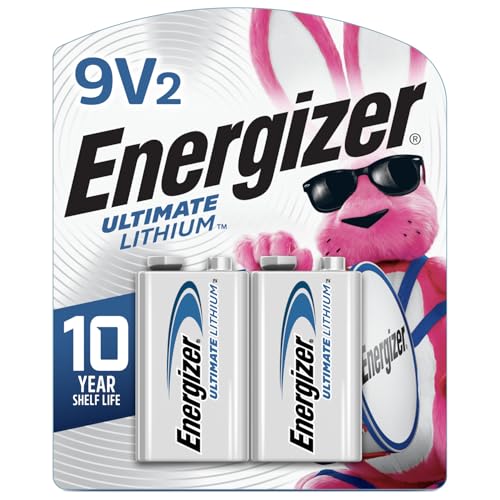 Energizer Ultimate Lithium 9V Batteries9V 2 Count (Pack of 1)0.7 x 3.7 x 4.5 inches0.15 poundsCheck on Amazon
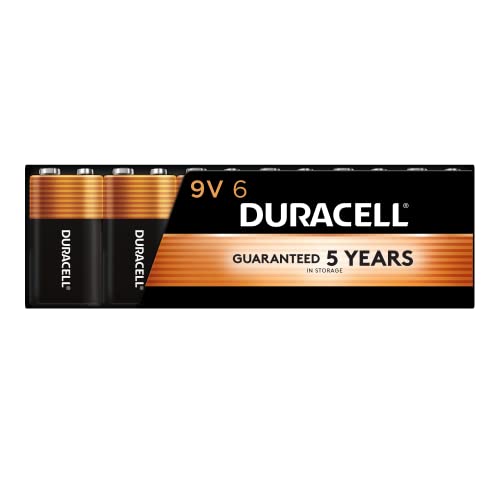 DURACELL Coppertop 9V Battery9V - 6 Count (pack of 1)0.63 x 6.26 x 1.81 inches0.6 poundsCheck on Amazon

Choosing a smoke alarm battery is really a decision about how long you can trust a cell you will almost never look at again. The alarm sits on a ceiling for months at a time, drawing a tiny current, and the battery either holds its charge quietly in the background or announces itself with a low-battery chirp at the worst possible hour. Chemistry, shelf life, and the replacement list printed on your alarm matter far more here than raw output.

This guide is for homeowners refreshing battery-only alarms, landlords covering several units, and anyone keeping spares for hardwired alarms that still need a backup cell. Every pick below was chosen from its Amazon listing title and stated specifications, and each listing names smoke alarms or smoke detectors among its intended uses.
Quick Picks
As an Amazon Associate we earn from qualifying purchases
| Product | Best for | Key spec from title |
|---|---|---|
| Energizer Ultimate Lithium 9V Batteries (2 Pack) | Hardwired alarms that need a long-life backup cell | Lithium 9 volt batteries, 2 pack |
| Tenergy 9V Lithium Batteries, 1200mAh (2 Pack) | Battery-only alarms in hard-to-reach spots | 1200mAh capacity, 10 years shelf life |
| Duracell Coppertop 9V Battery, 6 Count | Homes with several alarms on an alkaline schedule | 6 count, long-lasting all-purpose alkaline power |
| Amazon Basics 4-Pack 9V Alkaline Batteries | Routine replacement rounds across a whole house | 5-year shelf life, listed for smoke/CO detectors |
How to Choose
A safety note on replacement: Alarm manufacturers print the approved battery types on the alarm itself and in its manual, so match any replacement to that list before you buy, including whether lithium cells are allowed. When an alarm starts its low-battery chirp, replace the cell promptly rather than removing it and leaving the alarm unpowered, and press the alarm’s test button after fitting the fresh battery to confirm it sounds. The lithium and alkaline cells in this guide are single-use designs whose listings state they are not rechargeable, so never put one in a charger.
Start With the Battery List Printed on Your Alarm
Before chemistry or brand enters the picture, open the alarm’s battery compartment or read its manual and note exactly which cell types the manufacturer approves. Many alarms are built around a standard alkaline 9V, some hardwired models accept a lithium backup cell, and a smaller group of alarms takes AA or CR123A cells instead of a 9V block. Buying against that printed list prevents the most common failure in this category: a perfectly good battery that the alarm was never designed to use. If your alarm takes AA cells rather than a 9V, none of the picks in this guide apply, and the correct move is to shop for the size the manufacturer names.
Lithium or Alkaline: Match Chemistry to Access
The practical split in this category is how often you want to climb up and open the alarm. Lithium 9V cells, like the Energizer and Tenergy picks below, are listed with storage lives of up to ten years and are framed by their makers as long-term backup power, which suits alarms over stairwells, in rental units, or anywhere access is awkward. Alkaline cells from Duracell and Amazon Basics carry shorter stated shelf lives and fit a simpler routine: swap every alarm on the same day each year and keep the date written on the new cell. Neither chemistry is universally better; the right one is the one your alarm’s battery list allows and your access pattern supports.
Shelf Life Decides How Your Spares Behave
A smoke alarm battery spends most of its life waiting, either inside the alarm or in a drawer, so the shelf life printed on the listing deserves as much attention as the pack size. The lithium picks here state up to ten years in storage, while the alkaline picks state five years, and that difference decides whether a spare bought today is still trustworthy when a chirp starts years from now. Buy pack sizes you can realistically rotate through before that storage window closes. A large multipack only helps if the last cell out of the box is still inside its stated shelf life when it finally goes into an alarm.
Pack Size and Fit Are Quiet Deal-Breakers
Count your alarms before choosing a pack, including hardwired units that carry a backup cell, because a two-pack disappears quickly in a house with five alarms. Then check fit: a 9V block is a standard size, but compartments vary, and the Amazon Basics listing publishes exact cell dimensions of 1.04 x 0.69 x 1.91 inches, which you can compare against a tight compartment before ordering. Also confirm the terminal style matches, since every pick here uses the familiar snap-top 9V format the listings describe. Getting these two details right avoids the common outcome of fresh batteries that either run out mid-round or refuse to seat properly.
The 4 Best Options
Energizer Ultimate Lithium 9V Batteries (2 Pack)
This is the pick for alarms you want to think about least often. Energizer’s listing frames the cell as a long-term backup, stating up to ten years of backup service in AC-powered smoke detectors and power held for up to ten years in storage, which suits hardwired alarms where the 9V only works during an outage. The listing also states performance across extreme temperatures from -40°F to 140°F and a leak-resistant construction, both relevant for alarms in garages, attics, and unheated spaces. Confirm your alarm’s battery list allows lithium before fitting it.
Specs
- Brand: Energizer
- Battery cell composition: Lithium
- Voltage: 9 volts
- Unit count: 2
- Model: L522BP2
- Holds power for up to 10 years in storage
- Stated operating range: -40°F to 140°F
- Leak-resistant construction
- Single use, not rechargeable
Best for: Hardwired alarms needing a long-life backup cell, and alarms in cold or hard-to-reach locations.
Watch out for: Some alarm manufacturers do not approve lithium cells, so check the alarm’s printed battery list first.
ASIN: B01684J7P0
Tenergy 9V Lithium Batteries, 1200mAh (2 Pack)
Tenergy’s listing leads with capacity, stating 1200mAh from a non-rechargeable lithium cell, and names smoke alarms directly in its recommended uses. The listing states a ten-year shelf life and describes the cell as backup power for AC-powered smoke detectors as well as a primary cell for battery-only alarms, which makes this two-pack a sensible choice for a small number of alarms you want to service rarely. The listing also states UL certification for the cell. As with any lithium 9V, the deciding check is whether your alarm’s manufacturer lists lithium among its approved replacements.
Specs
- Brand: Tenergy
- Battery cell composition: Lithium metal
- Battery capacity: 1200 milliampere hours (mAh)
- Voltage: 9 volts
- Unit count: 2
- Shelf life: 10 years
- Recommended use stated on listing: Smoke alarm
- Non-rechargeable
Best for: Battery-only alarms in awkward spots, where a high-capacity lithium cell stretches the time between changes.
Watch out for: Tenergy sells this cell in several pack sizes under different listings, so confirm the two-pack on the product page before ordering.
ASIN: B0887W4985
Duracell Coppertop 9V Battery, 6 Count
For a house full of alarms running on alkaline, this six-count pack matches the annual replacement routine many alarm manuals describe. Duracell’s listing names smoke detectors among the household devices the cell is designed for, alongside garage door openers and other everyday electronics, and the packaging carries a five-year storage guarantee for spares kept in a drawer. Six cells cover a typical set of bedroom, hallway, and kitchen alarms in one round, with the model designation MN1604 matching the 9V replacement named in many alarm battery lists. It is the straightforward branded option for scheduled swaps.
Specs
- Brand: Duracell
- Battery cell composition: Alkaline
- Voltage: 9 volts
- Unit count: 6
- Model designation: MN1604
- Storage guarantee: 5 years in storage
- Stated uses include smoke detectors and garage door openers
- Single use, not rechargeable
Best for: Homes with several battery-only alarms that get fresh cells on a fixed yearly schedule.
Watch out for: Alkaline spares carry a shorter stated storage window than the lithium picks, so rotate stock instead of stockpiling.
ASIN: B0B72DBKVF
Amazon Basics 4-Pack 9V Alkaline Batteries
Amazon’s own listing puts the use case in the title: these alkaline cells are listed for smoke and CO detectors, with a five-year shelf life for spares. The product page publishes the details that matter for fit, including the 6LR61-4PK model number and cell dimensions of 1.04 x 0.69 x 1.91 inches, so you can measure a cramped alarm compartment before the pack arrives. Four cells suit a smaller home or a top-up round after some alarms were already serviced. Choose this pack when your alarms approve alkaline and you prefer a simple, uniform replacement day.
Specs
- Brand: Amazon Basics
- Battery cell composition: Alkaline
- Voltage: 9 volts
- Unit count: 4
- Item model number: 6LR61-4PK
- Product dimensions: 1.04 x 0.69 x 1.91 inches
- Shelf life: 5 years
- Listed for smoke/CO detectors, electronics and audio
Best for: Smaller homes doing a uniform alkaline replacement round, including combination smoke and CO alarms that take a 9V.
Watch out for: Measure tight battery compartments against the listed dimensions first, since 9V compartments vary between alarm models.
ASIN: B0774D64LT
Which One Fits Your Situation
Your Hardwired Alarms Keep Chirping After Outages
If your alarms run on mains power and the 9V only serves as backup, the Energizer Ultimate Lithium two-pack fits best, because its listing specifically states up to ten years of backup service in AC-powered smoke detectors. That long stated backup life means the cell is unlikely to be the weak point between outages, provided your alarm’s battery list approves lithium cells in the first place.
One Alarm Sits Somewhere You Hate Reaching
For a single alarm over a stairwell or in a high hallway, the Tenergy lithium two-pack is the practical choice. Its listing states 1200mAh capacity and a ten-year shelf life, and names smoke alarms as a recommended use, so the second cell waits in a drawer as a ready spare while the first covers the alarm you least want to revisit.
You Replace Every Alarm Battery on the Same Day Each Year
A fixed annual routine points to the Duracell Coppertop six-count pack. Six alkaline cells cover a typical whole-house round in one purchase, the listing names smoke detectors among its intended devices, and the five-year storage guarantee comfortably covers the gap between rounds. Write the fitting date on each cell so next year’s round takes minutes.
A Smaller Home With a Mix of Smoke and CO Alarms
With two or three alarms, including a combination smoke and CO unit, the Amazon Basics four-pack matches the scale. Its listing names smoke and CO detectors directly and publishes exact cell dimensions, which helps with the tighter compartments combination alarms sometimes use. The fourth cell stays sealed as a spare for the next chirp.
Common Mistakes
- Buying a 9V pack before checking the alarm’s printed battery list, then finding the alarm takes AA or CR123A cells instead.
- Fitting a lithium cell in an alarm whose manufacturer approves alkaline only, which can leave the alarm outside its stated specification.
- Silencing a low-battery chirp by removing the cell and forgetting to fit a replacement, leaving the alarm unpowered.
- Stockpiling a large multipack whose last cells pass their stated shelf life before they are ever used.
- Trying to recharge single-use alkaline or lithium 9V cells that their listings clearly mark as non-rechargeable.
Frequently Asked Questions
How often should smoke alarm batteries be replaced?
Replace the cell when the alarm signals a low battery, and follow the replacement interval your alarm’s manual states for its approved battery type. The listings here frame lithium cells as long-term backup power with storage lives up to ten years, while alkaline picks suit a fixed yearly swap. Press the test button after every replacement to confirm the alarm sounds.
Can I use a lithium 9V battery in any smoke alarm?
No. A lithium cell only belongs in an alarm whose manufacturer lists lithium among its approved replacements, which is printed on the alarm or in its manual. Some alarms are specified for alkaline cells only. Both lithium picks in this guide state that suitability check matters, so read your alarm’s battery list before choosing chemistry.
Why does pack size matter for alarm batteries?
Each alarm needs its own cell, and hardwired alarms need a backup cell as well, so a two-pack may not finish a whole-house round. Pack size also interacts with shelf life: the alkaline picks state five years in storage and the lithium picks up to ten, so buy only as many cells as you will rotate through inside that window.
What should I do with a smoke alarm battery once it is spent?
Remove the spent cell when you fit its replacement so the alarm is never left unpowered longer than the swap itself, and keep the fresh spare sealed until that moment. Store unused 9V cells with their terminals protected from contact with metal objects or other batteries, and follow your local household guidance for disposing of single-use alkaline and lithium cells.
FAQ
How often should smoke alarm batteries be replaced?
Can I use a lithium 9V battery in any smoke alarm?
Why does pack size matter for alarm batteries?
What should I do with a smoke alarm battery once it is spent?
More from Amazon
Programs that pair well with the guide above. Offers and eligibility are set by Amazon and may change.
Free shipping on eligible items, Prime Video and more. Eligible new members can start with a free trial.
Start a Prime free trialAd-free music streaming. Eligible new subscribers can start with a free trial.
Try Music Unlimited freeA Prime membership for ages 18-24 with a trial period. Eligibility is set by Amazon.
See Prime for Young AdultsAudiobooks and podcasts to listen to on the go. Eligible new members can start with a free trial.
Try Audible freeAs an Amazon Associate we earn from qualifying purchases.