Our Top Picks
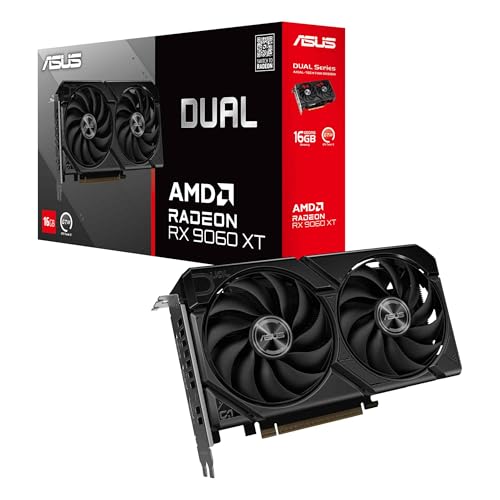 ASUS Dual Radeon RX 9060 XT 16GB GDDR6RX9060XT|16GB|Black8 x 4.7 x 1.9 inches1.3 poundsCheck on Amazon


The Radeon RX 9060 XT is AMD’s mainstream RDNA 4 card, built on the Navi 44 chip with 32 compute units, 2048 stream processors, and 32MB of Infinity Cache. Every card in this roundup carries 16GB of GDDR6 memory on a 128-bit bus at 20 Gbps, which gives 1440p gaming plenty of room for high-detail textures. The reference boost clock sits at 3130 MHz, and the partner cards below push past that with factory overclocks that reach 3330 MHz. All five use a single 8-pin PCIe connector and support ray tracing, FSR 4 upscaling, and AV1 encoding.
There is no reference card from AMD for this GPU, so every RX 9060 XT is a partner design. The choice comes down to cooling, size, clocks, and outputs. The five cards below cover the full range: a compact dual-fan card for smaller cases, a triple-fan flagship from Sapphire, the fastest-clocked card from ASUS, and a balanced triple-fan option from XFX.
As an Amazon Associate, we earn from qualifying purchases.
How to Choose an RX 9060 XT
Memory comes first. The RX 9060 XT ships in 8GB and 16GB versions, and the 16GB version is the one to buy for 1440p. The extra memory holds larger texture packs and keeps frame pacing smooth in detailed scenes. Every pick in this roundup is a 16GB card.
Clocks come second. The reference game clock is 2530 MHz with a boost clock up to 3130 MHz. Partner cards raise both numbers: the slowest card here boosts to 3250 MHz in OC mode, while the fastest reaches 3330 MHz. In practice the gap between 3250 MHz and 3330 MHz is small, only a few percent in most games, so treat clocks as a tiebreaker.
Cooling and size come third. Dual-fan cards are shorter and fit compact cases, while triple-fan cards run cooler and quieter but need 290 to 304 mm of clearance. Measure the space from the rear bracket to the nearest drive cage or front fan before ordering, and note that most cards take 2.5 slots while the thickest takes 2.7.
Power is simple for this GPU. Every card here draws from a single 8-pin PCIe connector, with board power between 160W and 182W. A 450W power supply is the floor for the lower-power cards, while the higher-clock triple-fan cards ask for 550W.
Outputs are nearly identical across the range. Each card here has one HDMI port and two DisplayPort connections, with the XFX Swift using the same layout in a different arrangement. All five drive up to three displays and support 7680 x 4320 output for desktop use.
1. Sapphire Pulse RX 9060 XT OC 16GB

The Sapphire Pulse is the default pick for most builders. It is the shortest card in this roundup at 240 mm, it uses a dual-fan cooler, and it still boosts to 3290 MHz, which is higher than the reference clock by a clear margin. The 16GB of GDDR6 memory and the 128-bit bus match every other card here, so nothing is lost by choosing the smaller card. The Pulse suits a compact mid-tower or a small-form build where a 300 mm card would not fit.
Cooling uses Sapphire’s Dual-X design with two fans and a full backplate. The card takes 2.3 slots, so it leaves the slot below it usable in most boards. The 170W board power keeps heat modest, and the single 8-pin connector with a 450W recommendation makes it the easiest card here to drop into an existing build.
The Pulse is a black card with no lighting, which suits builds that keep a plain look. Outputs are one DisplayPort 2.1a and two HDMI 2.1b ports, which covers a main monitor and two extra displays. The model number is 11350-03-20G. Match the listing by ASIN B0F9LN5VZ6 and that model number, and note that Sapphire also sells an 8GB Pulse with the same name but half the memory.
Specs
- GPU: AMD Radeon RX 9060 XT, RDNA 4, Navi 44
- Memory: 16GB GDDR6, 128-bit bus, 20 Gbps
- Boost clock: up to 3290 MHz; game clock: up to 2700 MHz
- Stream processors: 2048; compute units: 32; Infinity Cache: 32MB
- Cooling: dual-fan Dual-X, 2.3-slot, full backplate
- Outputs: 1x DisplayPort 2.1a, 2x HDMI 2.1b
- Power: 1x 8-pin PCIe; 170W board power; 450W PSU recommended
- Dimensions: 240 x 124 x 46.1 mm
- Model: 11350-03-20G; UPC: 840777091784
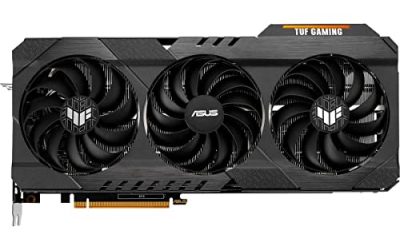
2. ASUS PRIME RX 9060 XT OC 16GB
The ASUS PRIME has the highest boost clock in this roundup at 3330 MHz in OC mode, with 3310 MHz in default mode. The game clock reaches 2760 MHz in OC mode and 2740 MHz in default mode. The OC mode needs ASUS GPU Tweak III, while the default mode runs from the card firmware with no software. That makes the PRIME the strongest pick for a builder who wants the fastest clocks without manual tuning.
The card is 304 mm long with three Axial-tech fans and a 2.5-slot design, so it needs a full mid-tower or larger case. The triple-fan cooler keeps the card quiet under load, and the 0dB mode holds the fans still at low load. Outputs are one HDMI 2.1b port and two DisplayPort 2.1a ports, and ASUS recommends a 550W power supply.
The PRIME is a matte black card with clean white lines and no lighting, which fits builds that avoid bright accents. The model number is PRIME-RX9060XT-O16G. Match the listing by ASIN B0F8PPT3G1 and that model number, and note that ASUS also sells a non-OC PRIME with lower clocks and a different listing.
Specs
- GPU: AMD Radeon RX 9060 XT, RDNA 4, Navi 44
- Memory: 16GB GDDR6, 128-bit bus, 20 Gbps
- Boost clock: up to 3330 MHz OC mode / 3310 MHz default; game clock: up to 2760 MHz OC mode / 2740 MHz default
- Stream processors: 2048; compute units: 32; Infinity Cache: 32MB
- Cooling: triple Axial-tech fan, 2.5-slot, 0dB mode
- Outputs: 1x HDMI 2.1b, 2x DisplayPort 2.1a
- Power: 1x 8-pin PCIe; 550W PSU recommended
- Dimensions: 304 x 126 x 50 mm
- Model: PRIME-RX9060XT-O16G; UPC: 197105998858
3. Sapphire Nitro+ RX 9060 XT OC 16GB
The Sapphire Nitro+ is the premium card in the Sapphire line. It boosts to 3320 MHz with a game clock up to 2780 MHz, the highest game clock in this roundup. The Tri-X cooler uses three fans with AeroCurve blades, a copper base, and composite heat pipes, and the card carries ARGB lighting on the shroud and backplate. It is the card to pick when cooling headroom and looks matter as much as clocks.
The Nitro+ measures 300 x 131 x 55 mm and takes 2.7 slots, so it needs a roomy case and will block the slot below it. Board power is 182W, the highest in this roundup, yet it still runs from a single 8-pin connector with a 450W power supply recommended. The fans use quick-connect mounts for easy cleaning.
Outputs are one DisplayPort 2.1a and two HDMI 2.1b ports. The model number is 11350-01-20G, and this is the only Nitro+ RX 9060 XT model, so there is no 8GB version to confuse it with. Match the listing by ASIN B0F8C4RQ2R and that model number.
Specs
- GPU: AMD Radeon RX 9060 XT, RDNA 4, Navi 44
- Memory: 16GB GDDR6, 128-bit bus, 20 Gbps
- Boost clock: up to 3320 MHz; game clock: up to 2780 MHz
- Stream processors: 2048; compute units: 32; Infinity Cache: 32MB
- Cooling: triple-fan Tri-X, ARGB lighting, 2.7-slot, full backplate
- Outputs: 1x DisplayPort 2.1a, 2x HDMI 2.1b
- Power: 1x 8-pin PCIe; 182W board power; 450W PSU recommended
- Dimensions: 300 x 131 x 55 mm
- Model: 11350-01-20G
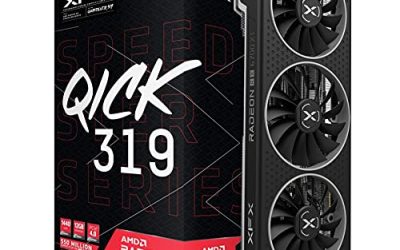
4. XFX Swift RX 9060 XT OC Triple Fan 16GB
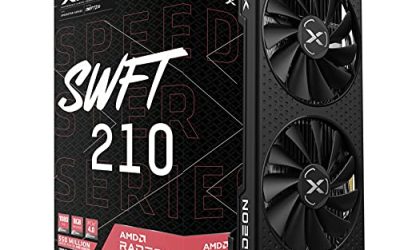
The XFX Swift pairs a 3320 MHz boost clock with a 2780 MHz game clock, matching the Nitro+ on clocks while using a slimmer 2.5-slot cooler. The triple-fan design uses a nickel-plated copper cold plate and four copper heat pipes, and the card measures 290 x 124 x 49 mm.
Board power is 180W, and the card uses a single 8-pin connector with a 550W power supply recommended. Outputs are one HDMI 2.1 port and two DisplayPort 2.1 ports.
The model number is RX-96TS316BA. Match the listing by ASIN B0F8128Y33 and that model number. XFX also sells a separate listing under model RX-96TS316B7 with the same clocks and dimensions, so confirm the model number on the listing before ordering rather than relying on the title alone.
Specs
- GPU: AMD Radeon RX 9060 XT, RDNA 4, Navi 44
- Memory: 16GB GDDR6, 128-bit bus, 20 Gbps
- Boost clock: up to 3320 MHz; game clock: up to 2780 MHz; base clock: 1900 MHz
- Stream processors: 2048; compute units: 32; Infinity Cache: 32MB
- Cooling: triple fan, nickel-plated copper cold plate, 2.5-slot
- Outputs: 1x HDMI 2.1, 2x DisplayPort 2.1
- Power: 1x 8-pin PCIe; 180W board power; 550W PSU recommended
- Dimensions: 290 x 124 x 49 mm
- Model: RX-96TS316BA
5. ASUS Dual RX 9060 XT 16GB
The ASUS Dual is the second dual-fan card in this roundup and the simplest one to fit. It uses two Axial-tech fans in a 2.5-slot design with 0dB mode, so the fans hold still at low load. The boost clock reaches 3250 MHz in OC mode and 3230 MHz in default mode, with a game clock up to 2640 MHz in OC mode and 2620 MHz in default mode. Those clocks sit below the other four cards here, but the gap is small in most games, and the card makes up for it with a smaller footprint and a lower board power.
The Dual is the right pick for a compact build where a triple-fan card would not fit. Outputs are HDMI 2.1b and DisplayPort 2.1a, and the card supports three displays at up to 7680 x 4320. The model number is DUAL-RX9060XT-16G. Match the listing by ASIN B0FLHBFFX4 and that model number, and note that the OC mode clocks need ASUS GPU Tweak III.
Specs
- GPU: AMD Radeon RX 9060 XT, RDNA 4, Navi 44
- Memory: 16GB GDDR6, 128-bit bus, 20 Gbps
- Boost clock: up to 3250 MHz OC mode / 3230 MHz default; game clock: up to 2640 MHz OC mode / 2620 MHz default
- Stream processors: 2048; compute units: 32; Infinity Cache: 32MB
- Cooling: dual Axial-tech fan, 2.5-slot, 0dB mode
- Outputs: HDMI 2.1b and DisplayPort 2.1a
- Power: 1x 8-pin PCIe connector
- Model: DUAL-RX9060XT-16G
What We Left Out
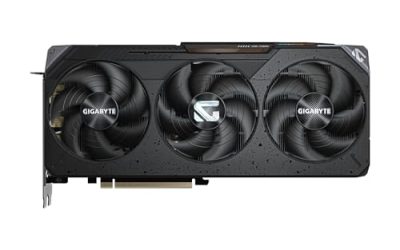
The XFX Mercury OC 16GB shares the Swift’s 3320 MHz boost clock and adds a premium finish, but it fills the same role as the Swift. The Sapphire Pure 16GB matches the Pulse on clocks with a white finish for light-colored builds, but it duplicates the Pulse’s role. The GIGABYTE Gaming OC 16G is a strong triple-fan card, yet two listings share the same model number GV-R9060XTGAMING OC-16GD, so match that model number with care. The PowerColor Reaper 16GB is a solid dual-fan card, but it already appears in an earlier graphics card roundup on this site. The 8GB versions of these cards are not included because the 16GB versions are the better match for 1440p play.
Frequently Asked Questions
Is 16GB of VRAM worth it over 8GB on the RX 9060 XT?
Yes, for 1440p play the 16GB version is the better choice. It holds larger texture packs and keeps frame pacing smooth in detailed scenes, while the 8GB version suits 1080p only.
What power supply do I need for an RX 9060 XT?
A 450W power supply is the floor for the lower-power cards here, while the higher-clock triple-fan cards ask for 550W. Every card in this roundup uses a single 8-pin PCIe connector, so check that the power supply has a native 8-pin cable.
Will an RX 9060 XT fit in a small case?
The Sapphire Pulse at 240 mm is the shortest card here and fits most compact mid-tower cases. Measure from the rear bracket to the nearest drive cage or front fan before ordering.
Does the RX 9060 XT support ray tracing and FSR 4?
Yes. The RDNA 4 architecture includes third-generation ray accelerators and second-generation AI accelerators, and every RX 9060 XT supports FSR 4 upscaling and AV1 encoding for streaming and recording.
More from Amazon
Programs that pair well with the guide above. Offers and eligibility are set by Amazon and may change.
Free shipping on eligible items, Prime Video and more. Eligible new members can start with a free trial.
Start a Prime free trialAd-free music streaming. Eligible new subscribers can start with a free trial.
Try Music Unlimited freeA Prime membership for ages 18-24 with a trial period. Eligibility is set by Amazon.
See Prime for Young AdultsAudiobooks and podcasts to listen to on the go. Eligible new members can start with a free trial.
Try Audible freeAs an Amazon Associate we earn from qualifying purchases.