Key takeaways
- Pick a target: Choose a voltage well below stock, such as 900mV, and set your desired stable core clock at that point.
- Flatten the curve: Drag the chosen point up to your target clock, then flatten all points to the right so voltage is capped.
- Apply and observe: Hit apply and watch clocks, voltage, and temperature in a monitoring overlay while gaming.
Undervolting your GPU is the rare tweak that lowers temperatures, cuts fan noise, reduces power draw, and often keeps the same performance, sometimes even improving it. Modern graphics cards ship with voltage headroom baked in for worst-case silicon, which means most cards run hotter and louder than they need to. By finding the minimum stable voltage for your target clock, you reclaim that margin as cooler, quieter gaming.
This guide covers the process in MSI Afterburner, the go-to tool for the job, walking through the voltage-frequency curve, testing for stability, and locking in a profile. We will also touch on the physical side, because a well-supported card that does not sag keeps its cooler seated and its temperatures consistent, which pairs naturally with the thermal gains of undervolting.
Our top picks
 acer GPU Support Bracket
- [Esports-grade Materials] Constructed from high-quality aluminum alloy, the…
- [Ajustment Freely] The detachable design features precise 0.5mm…
- [Powerful Magnetic Design] The top and bottom are…
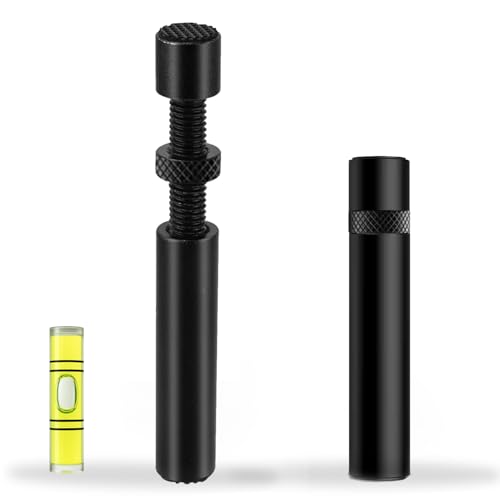 California JOS GPU Support Bracket Graphics Card
- ✅ Package Includes: 1 PCS Large Black GPU…
- ✅Prevents GPU Sag and Damage
- ✅Durable All-Aluminum Build
| Product | Key specs | |
|---|---|---|
| acer GPU Support Bracket | [Esports-grade Materials] Constructed from high-quality aluminum alloy, the… [Ajustment Freely] The detachable design features precise 0.5mm… [Powerful Magnetic Design] The top and bottom are… | Check price |
| California JOS GPU Support Bracket Graphics Card | ✅ Package Includes: 1 PCS Large Black GPU… ✅Prevents GPU Sag and Damage ✅Durable All-Aluminum Build | Check price |
 ASUS NVIDIA GeForce RTX™ 5060 LP BRK ASUS NVIDIA GeForce RTX™ 5060 LP BRK | Check price | |
 Lian Li ATX PC Case 4 Slots Lian Li ATX PC Case 4 Slots | Check price | |
 GPU Support Bracket GPU Support Bracket | ✅【Screw adjustment design】The minimum size of the GPU… ✅【Aluminum Alloy Metal】The GPU support is made of… ✅【Magnetic Non-Slip Base】The magnet hidden in the base… | Check price |
 Graphics Card GPU Brace Support Graphics Card GPU Brace Support | All-aluminum metal material - Provides strong and long-lasting… Screw adjustment design - The graphics card bracket… Bottom hidden mag.net design - The mag.net hidden… | Check price |
 upHere 5V 3PIN Addressable RGB Graphics Card upHere 5V 3PIN Addressable RGB Graphics Card | 01.Simple and Convenient adjustment method,has a slide type… 02.Use sturdy iron as the main structure to… 03.Adaptable to a wide range of motherboards and… | Check price |
 OwlTree GPU Support Bracket Graphics Card Stand OwlTree GPU Support Bracket Graphics Card Stand | The GPU Support bracket features an all-metal material… The GPU Support Bracket features 0.24 to 4.92inch… Universal compatibility - the GPU sag bracket fits… | Check price |
As an Amazon Associate we earn from qualifying purchases at no extra cost to you.
⚡ Save on Your Next PC — Amazon Prime
Prime members get fast free shipping on the systems above, plus early access to Prime Day & Black Friday PC deals. New members get a 30-day free trial.
Watch: How to Undervolt Your GPU — Video Review
Why Undervolting Works
GPUs are assigned a voltage curve that guarantees stability across every chip in the batch, so your specific card usually needs less voltage than the default at any given clock. Feeding it less voltage produces less heat and draws less power, while the clock speed stays the same. Lower temperatures can even let the card boost more consistently, so performance sometimes ticks up rather than down.
Set Up MSI Afterburner
Install MSI Afterburner and open the voltage-frequency curve editor with Ctrl+F. This graph plots core clock against voltage. You will pick a point on the curve, for example a clock your card already hits, and flatten everything to its right so the card never exceeds that voltage. Note your stock clocks and temperatures first so you can measure the improvement.
Create the Undervolt
- Pick a target: Choose a voltage well below stock, such as 900mV, and set your desired stable core clock at that point.
- Flatten the curve: Drag the chosen point up to your target clock, then flatten all points to the right so voltage is capped.
- Apply and observe: Hit apply and watch clocks, voltage, and temperature in a monitoring overlay while gaming.
Test for Stability
Run a demanding game or a benchmark loop for at least 30 minutes. A too-aggressive undervolt shows up as a driver crash, a black screen, or artifacts. If that happens, raise the target voltage slightly (say from 875mV to 900mV) or lower the clock a touch, then retest. Stability across several sessions, not one lucky run, is the real bar.
Support the Card Physically
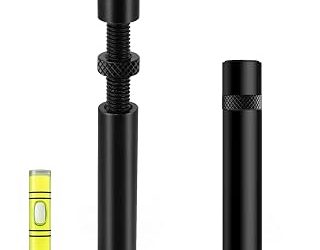
Undervolting keeps the die cool, but a sagging card can pull its cooler slightly off contact and stress the PCIe slot. A GPU support bracket or anti-sag holder keeps a heavy card level, preserving even cooler contact and consistent temperatures. It is a small addition that complements the thermal benefits you just unlocked, and it protects the slot long term.
Tips
- Change one thing at a time: Adjust either voltage or clock between tests so you know exactly what caused instability.
- Save your profile: Store the stable curve in Afterburner and set it to apply at startup so you do not lose it.
- Monitor with an overlay: Watch temperature, clock, and power in real time to confirm the undervolt is actually holding.
- Keep a fallback: Note a slightly safer voltage you can revert to if a new game proves less stable than your test suite.
Frequently Asked Questions
Is undervolting a GPU safe?
Yes, it is one of the safest tweaks. You are reducing voltage, not increasing it, so there is no risk of overheating or damage. The worst outcome is a driver crash you fix by adjusting the curve.
Will undervolting reduce my performance?
Usually not. Done right, you keep the same clocks at lower voltage, and cooler temperatures can even let the card sustain higher boost, sometimes improving performance slightly.
How much cooler will my GPU run?
It varies by card, but drops of 5-15C and noticeably quieter fans are common. Power draw often falls by tens of watts too.
Do I need a GPU support bracket to undervolt?
No, but a bracket complements the goal by keeping a heavy card level, preserving even cooler contact and consistent temperatures, and protecting the PCIe slot from sag.
Conclusion
Undervolting is the tweak with almost no downside: cooler, quieter, more efficient gaming for the price of an afternoon in MSI Afterburner. Flatten the voltage-frequency curve to a sensible target, test for stability across real games, and save the profile. Add a support bracket to keep a heavy card level, and you have a GPU that runs better in every way that matters.