Key takeaways
- Set realistic GPU expectations: At this price, most laptops rely on integrated graphics like AMD Radeon RX Vega 8. That’s genuinely capable for League of Legends, CS2, Valorant, Minecraft, and older AAA titles at 1080p on medium-low settings — but don’t expect to run Cyberpunk-tier games at high presets.
- Prioritize RAM and memory type: 16GB is the practical minimum in 2026, and 24GB of DDR5 is a meaningful upgrade. Integrated graphics share system memory, so more (and faster) RAM directly improves gaming performance here.
- Insist on NVMe SSD storage: A 512GB NVMe drive is standard and worth holding out for. SATA SSDs and eMMC storage will bottleneck load times, and modern games consume space quickly — check whether the laptop has a spare M.2 slot for expansion.
- Check the CPU generation, not just the clock speed: “Up to 4.9GHz” sounds impressive but means little in isolation. Look for core and thread counts (8C/16T is excellent at this price) and prefer H-series chips over U-series if gaming is your priority, since U-series parts are tuned for battery life over sustained performance.
- Don’t ignore the display and build: A 1920×1080 IPS panel is the sweet spot — TN panels still appear at this price and look noticeably worse off-angle. Backlit keyboards, WiFi 6, and Bluetooth 5.0+ are reasonable expectations, not luxuries.
Shopping for a gaming laptop under $800 in 2026 means navigating a market flooded with listings that use “gaming” as a keyword rather than a spec sheet. Many budget machines pair a capable CPU with integrated graphics, which is fine for esports titles and emulation but will disappoint anyone expecting to run demanding AAA releases at high settings. The challenge is separating genuinely good value from marketing language.
This guide cuts through that noise. We’ve focused on machines that deliver real-world performance for the money — decent multi-core CPUs, adequate RAM for modern Windows 11, NVMe storage, and displays worth looking at. Below you’ll find our top picks, a buying checklist, and honest answers to the questions budget buyers ask most.
Our top picks





As an Amazon Associate we earn from qualifying purchases at no extra cost to you. Ratings are shown as listed on Amazon.
⚡ Save on Your Next PC — Amazon Prime
Prime members get fast free shipping on the systems above, plus early access to Prime Day & Black Friday PC deals. New members get a 30-day free trial.
Watch: Best Gaming Laptop Under $800 — Video Review
How to Choose Gaming Laptop Under $800
- Set realistic GPU expectations: At this price, most laptops rely on integrated graphics like AMD Radeon RX Vega 8. That’s genuinely capable for League of Legends, CS2, Valorant, Minecraft, and older AAA titles at 1080p on medium-low settings — but don’t expect to run Cyberpunk-tier games at high presets.
- Prioritize RAM and memory type: 16GB is the practical minimum in 2026, and 24GB of DDR5 is a meaningful upgrade. Integrated graphics share system memory, so more (and faster) RAM directly improves gaming performance here.
- Insist on NVMe SSD storage: A 512GB NVMe drive is standard and worth holding out for. SATA SSDs and eMMC storage will bottleneck load times, and modern games consume space quickly — check whether the laptop has a spare M.2 slot for expansion.
- Check the CPU generation, not just the clock speed: “Up to 4.9GHz” sounds impressive but means little in isolation. Look for core and thread counts (8C/16T is excellent at this price) and prefer H-series chips over U-series if gaming is your priority, since U-series parts are tuned for battery life over sustained performance.
- Don’t ignore the display and build: A 1920×1080 IPS panel is the sweet spot — TN panels still appear at this price and look noticeably worse off-angle. Backlit keyboards, WiFi 6, and Bluetooth 5.0+ are reasonable expectations, not luxuries.
The Best Picks Reviewed
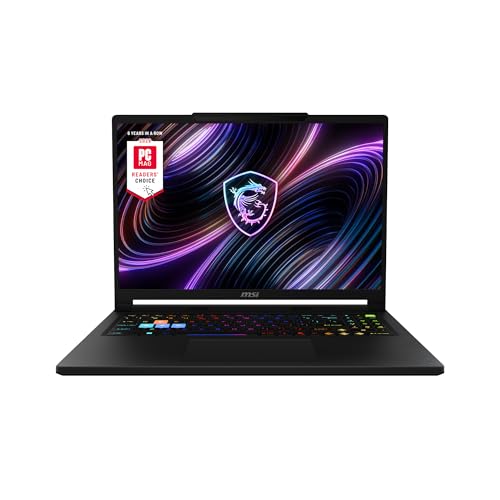
KAIGERR 2026 Gaming Laptop (Ryzen 7 H255, 24GB DDR5)
This is the strongest all-round pick here: an 8-core/16-thread Ryzen 7 H255 boosting to 4.9GHz, paired with 24GB of DDR5 and a 512GB NVMe SSD on a 16-inch panel. The extra memory bandwidth genuinely helps the Radeon RX Vega 8 graphics, and the backlit keyboard and WiFi 6 round out a package that feels well above its price bracket.
Gaming Laptop, Ryzen 7 H255, 24GB DDR5 512GB NVMe
Essentially the same silicon as our top pick in a more compact chassis, this one is worth comparing directly on price and screen size preference. The 24GB DDR5 configuration remains the headline feature — it’s the single biggest differentiator for integrated-graphics gaming in this segment.
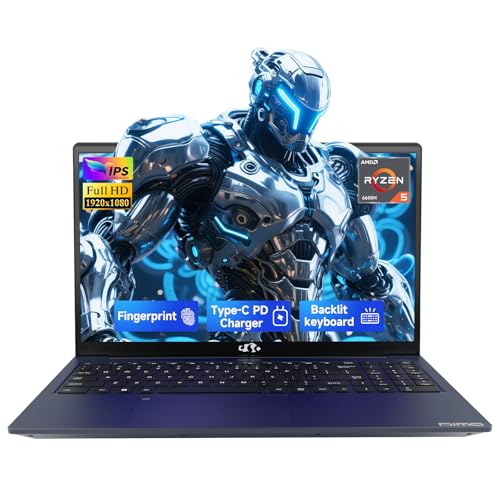
NIMO 15.6″ IPS FHD Light Gaming Laptop (Ryzen 5 6600H)
The Ryzen 5 6600H is a proper H-series mobile chip with strong sustained performance, and NIMO pairs it with an IPS FHD panel that’s a clear step up from the budget TN displays common at this price. A sensible choice if you want reliable 1080p esports performance and better color accuracy for content work.
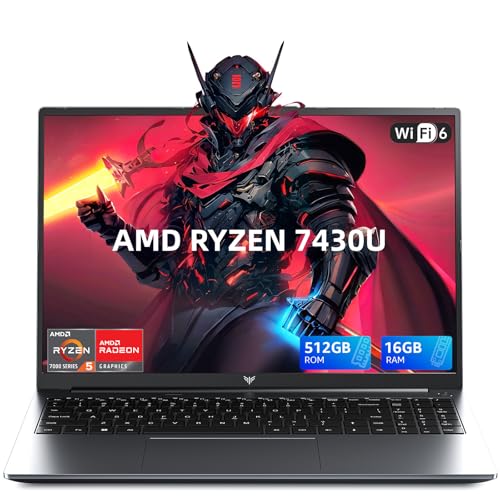
Light Gaming Laptop (Ryzen 7 7430U, 16GB/512GB)
The Ryzen 7 7430U is a U-series part, so it trades peak gaming headroom for efficiency and thermals — this is the pick for someone who wants light gaming plus genuinely good battery life and a cooler, quieter machine. With 16GB RAM and a 512GB NVMe drive, it handles esports titles and everyday multitasking comfortably.
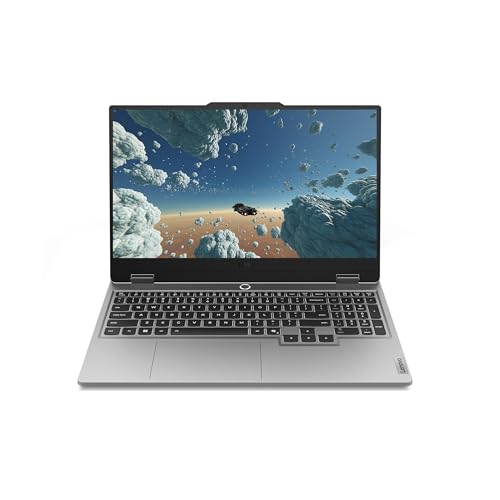
Tunhail 15.6″ Laptop (16GB RAM, 512GB, Win 11 Pro)
Positioned at the value end of this roundup, the Tunhail covers the essentials — 16GB RAM, 512GB storage, a 1920×1080 display, and Windows 11 Pro out of the box. Expect solid performance in lighter titles and productivity work rather than demanding AAA gaming, but it’s hard to argue with the spec-per-dollar.
Frequently Asked Questions
Can a laptop under $800 actually run modern games?
Yes, within limits. Esports titles like Valorant, CS2, Rocket League, and League of Legends run well at 1080p, and many AAA games from a few years ago are playable at medium-low settings. Current-generation flagship titles at high settings will require a dedicated GPU and a larger budget.
Is 16GB of RAM enough, or should I pay more for 24GB?
16GB is workable, but on integrated-graphics laptops the GPU borrows system memory, so 24GB of DDR5 provides a genuine performance benefit as well as more headroom for background apps. If the price difference is modest, the upgrade is worth it.
What does “up to 4.9GHz” actually mean for gaming?
It’s the maximum single-core boost clock, which the chip hits only briefly and under favorable thermal conditions. Sustained all-core performance matters more for gaming, which is why core count and cooling design are better indicators than a headline boost figure.
Can I upgrade these laptops later?
It varies by model. Many budget machines offer a free M.2 slot for additional SSD storage, and some have accessible SODIMM RAM slots — but soldered memory is increasingly common. Check the specific listing and, where possible, the manufacturer’s service documentation before buying with upgrades in mind.
Final Thoughts
For most buyers, the KAIGERR 2026 Gaming Laptop is the pick to beat — the Ryzen 7 H255 and 24GB of DDR5 make the best use of a sub-$800 budget, and the 16-inch panel is a welcome bonus. If you prefer a 15.6-inch form factor with a quality IPS display, the NIMO Ryzen 5 6600H is an excellent alternative, while the Ryzen 7 7430U model is the smarter buy for anyone who values battery life and portability alongside light gaming.