Key takeaways
- Detachable or flip-to-mute mics, like the one on the JBL Quantum 100M2, let you drop the boom when you are only listening, which keeps the look clean and protects the mic arm.
- Noise-canceling mics filter fan hum and keyboard clatter so teammates hear your voice, not your room.
- Check whether the mic has a foam pop filter; without one, hard consonants sound harsh and plosive on voice chat.
- If you also stream or record, prioritize mic clarity over RGB and driver size, because a scratchy mic undoes everything else.
A gaming headset sits between you and everything happening on screen, yet it is the piece of gear people spend the least time researching. The right pair sharpens footsteps in a shooter, keeps party chat clear, and stays comfortable through a five-hour session. The wrong one leaves you with a sore jaw, a muddy mic, and teammates asking you to repeat yourself. In 2026 the choices span 3.5mm plug-and-play models, USB wired sets, and low-latency wireless headsets that finally cost what most players can afford.
This guide walks through the factors that actually change your experience: connection type, sound signature, microphone quality, comfort, and platform compatibility. By the end you will know which specs matter for your setup and which marketing numbers you can safely ignore, plus a shortlist of headsets worth a closer look at every price point.
Our top picks




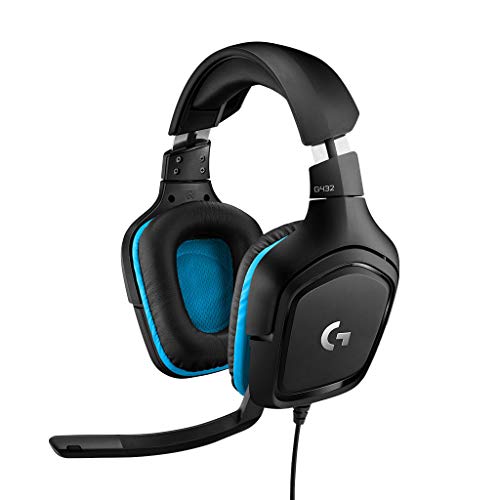

As an Amazon Associate we earn from qualifying purchases at no extra cost to you. Ratings are shown as listed on Amazon.
⚡ Save on Your Next PC — Amazon Prime
Prime members get fast free shipping on the systems above, plus early access to Prime Day & Black Friday PC deals. New members get a 30-day free trial.
Watch: How to Choose a Gaming Headset (2026 Guide) — Video Review
Wired, wireless, or 3.5mm: pick your connection first
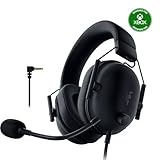
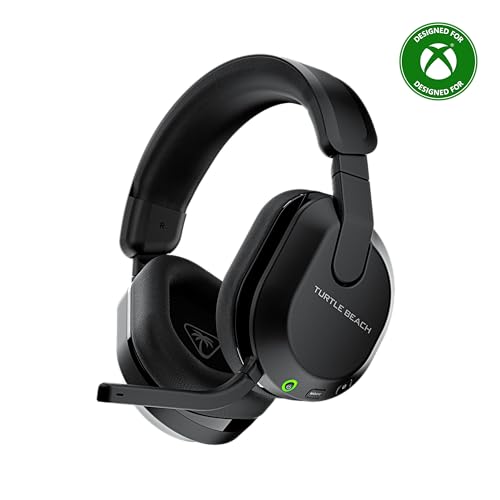
Connection type shapes everything else about a headset. A 3.5mm analog set like the Razer BlackShark V2 X Xbox Gaming Headset plugs straight into a controller or laptop and works on almost any device with a jack, which makes it the safest choice if you switch between console, PC, and phone. USB wired headsets add a built-in sound card for cleaner audio and software EQ. Wireless models such as the Turtle Beach Stealth 600 or Logitech G522 Lightspeed cut the cable using a 2.4GHz dongle, giving you freedom to lean back without input lag you can feel. Bluetooth is fine for music and chat but adds latency, so treat it as a bonus rather than your main gaming link.
Understand sound: surround claims vs. real positional audio
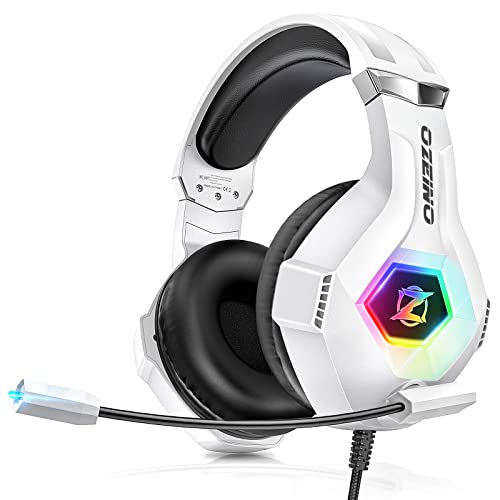
Most competitive players are better served by clean stereo than by aggressive virtual surround. Marketing terms like “7.1 surround sound” on the Ozeino or BENGOO G9000 describe software processing, not eight physical speakers, and the effect can smear directional cues if it is overcooked. What you actually want is a driver that reproduces midrange detail so footsteps and reloads stand out from explosions. If a headset offers a surround toggle, test both modes in your main game and keep whichever makes enemy positions easier to place.
The microphone matters more than you think
- Detachable or flip-to-mute mics, like the one on the JBL Quantum 100M2, let you drop the boom when you are only listening, which keeps the look clean and protects the mic arm.
- Noise-canceling mics filter fan hum and keyboard clatter so teammates hear your voice, not your room.
- Check whether the mic has a foam pop filter; without one, hard consonants sound harsh and plosive on voice chat.
- If you also stream or record, prioritize mic clarity over RGB and driver size, because a scratchy mic undoes everything else.
Comfort and build for long sessions
Comfort is where cheap and premium headsets diverge the most. Clamping force that feels fine for ten minutes becomes a headache by hour three, so look for memory-foam earcups and an adjustable or self-suspending headband. Weight matters too: a lighter set like the JBL Quantum 100M2 is easier on the neck than a heavy wireless flagship. Breathable fabric earpads run cooler than sealed leatherette but leak a little more sound, a trade worth making if you play in warm rooms.
Match the headset to your platform
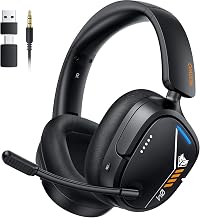
Before you buy, confirm the headset supports your main system end to end, including the microphone. Some Xbox-branded sets need the controller’s 3.5mm jack, while PlayStation and Switch generally accept any analog or USB headset. Wireless models often ship platform-specific: the AOC 2.4GHz Wireless Gaming Headset lists PS5, PS4, PC, and Switch support, whereas an Xbox wireless set may require its own protocol. If you game across several devices, a 3.5mm or multi-platform wireless headset saves you from owning two.
Tips
- Test any surround or EQ presets in your actual games, not a demo track, and keep only what improves positional clarity.
- Position the mic about two finger-widths from the corner of your mouth to balance volume and plosives.
- Update the headset’s firmware and audio software on day one; it often fixes mic gain and sidetone issues out of the box.
- If you wear glasses, favor plush earpads and lighter clamping force to avoid pressure points along the temples.
Frequently Asked Questions
Is wireless worth it for competitive gaming in 2026?
Yes, if you buy a 2.4GHz model rather than relying on Bluetooth. Modern dongle-based headsets like the Logitech G522 Lightspeed run at latency low enough that most players cannot distinguish it from wired, and you gain freedom to move without snagging a cable.
Do I need a headset with a dedicated sound card or amp?
For the vast majority of players, no. A USB headset with built-in processing or a solid 3.5mm set covers everything you need. External amps only pay off with high-impedance audiophile headphones, which are a different category from gaming headsets.
How important is driver size?
Less than the number suggests. A 40mm driver tuned well outperforms a poorly tuned 50mm one. Judge a headset by reviews of its actual sound and clarity, not by the millimeter figure on the box.
Can one headset cover PC, PlayStation, and Xbox?
A 3.5mm headset comes closest, since it plugs into every controller’s jack. Wireless headsets are often locked to one ecosystem, so check the listed platform support before buying if you switch consoles.
Conclusion
Choosing a gaming headset comes down to matching connection type and comfort to how you actually play, then making sure the microphone is good enough for your teammates or audience. Decide between 3.5mm flexibility and wireless freedom first, favor clean midrange over inflated surround claims, and prioritize earcup comfort for the long haul. Any of the headsets highlighted above is a reasonable starting point; pick the one whose connection and platform support fit your setup, and you will hear the difference the next time you drop into a match.