Key takeaways
- Refresh rate is where laptops feel fast: a 165Hz or 240Hz panel, like the ROG Strix G16’s 240Hz screen, makes fast-paced games noticeably smoother than a 60Hz display.
- Resolution should match the GPU; a strong GPU pairs well with a 2.5K panel, while a mid-range GPU is better served pushing high frames at 1080p or 1200p.
- The 16:10 aspect ratio common on 16-inch models gives extra vertical space for games and everyday work.
- Panel quality, including color coverage like 100% DCI-P3 on higher-end ROG models, matters if you also create content.
A gaming laptop is a bundle of compromises squeezed into a portable chassis, and understanding those trade-offs is the difference between a machine you love for years and one you regret in months. Unlike a desktop, you cannot easily swap the graphics card later, so the specs you choose at purchase largely lock in your performance. The good news is that in 2026 even mid-range laptops deliver serious frame rates, provided you know which components actually drive the experience.
This guide walks through what matters most when buying a gaming laptop: the GPU, the display, the CPU and memory, cooling and build, and the balance between power and portability. You will learn how to read past the spec sheet marketing and match a machine to how and where you actually game, with a shortlist of current models to anchor your search.
Our top picks


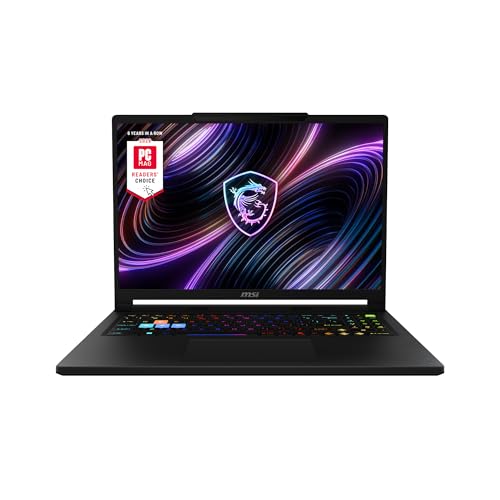
 ASUS ROG Strix G16
- Product Group: Personal Computer
- Binding: Personal Computers


As an Amazon Associate we earn from qualifying purchases at no extra cost to you. Ratings are shown as listed on Amazon.
⚡ Save on Your Next PC — Amazon Prime
Prime members get fast free shipping on the systems above, plus early access to Prime Day & Black Friday PC deals. New members get a 30-day free trial.
Watch: What to Look for in a Gaming Laptop — Video Review
The GPU is your most important decision
In a gaming laptop, the graphics card matters more than anything else and cannot be upgraded, so choose it carefully. The tier you pick sets your performance ceiling for the life of the machine. An RTX 5050 or 5060 class GPU, as in the Acer Nitro V or GIGABYTE Gaming A16, handles 1080p and 1200p gaming at high settings comfortably. Step up to an RTX 5070 Ti in the ASUS ROG Strix G16 for high-refresh 1440p play. Decide your target resolution and frame rate first, then let the GPU tier follow from that.
Display: resolution, refresh rate, and panel quality
- Refresh rate is where laptops feel fast: a 165Hz or 240Hz panel, like the ROG Strix G16’s 240Hz screen, makes fast-paced games noticeably smoother than a 60Hz display.
- Resolution should match the GPU; a strong GPU pairs well with a 2.5K panel, while a mid-range GPU is better served pushing high frames at 1080p or 1200p.
- The 16:10 aspect ratio common on 16-inch models gives extra vertical space for games and everyday work.
- Panel quality, including color coverage like 100% DCI-P3 on higher-end ROG models, matters if you also create content.
CPU, RAM, and the supporting cast
The processor and memory keep your GPU fed and your system responsive. For 2026, a modern Intel Core i7 or Ultra 9, or an AMD Ryzen 7, handles gaming and multitasking without bottlenecking a mainstream GPU; the ASUS ROG Strix G16 with a Core Ultra 9 and the NIMO with a Ryzen 7 7735HS are both capable examples. Aim for at least 16GB of DDR5 RAM, with 32GB preferable if you stream or keep many tabs and apps open. Fast storage matters too: a 1TB Gen4 SSD leaves room for a real library, and many laptops let you add a second drive later.
Cooling, build quality, and keyboard
A laptop’s cooling determines whether it sustains performance or throttles after twenty minutes. Thicker gaming chassis and dedicated cooling designs, as on the ASUS TUF Gaming A16 built for durability, hold clock speeds better under load than ultra-thin machines. Look for reviews that mention sustained performance and surface temperatures, not just peak benchmarks. A comfortable backlit keyboard with decent travel, present on models like the Acer Nitro V and NIMO, matters more than RGB zones if you type and game for hours.
Portability versus power
Bigger laptops cool better and often pack stronger GPUs, but they are heavier and chew through battery. An 18-inch machine like the ASUS ROG Strix G18 delivers desktop-class power and screen space but is a commitment to carry, while a 15.6 or 16-inch model such as the NIMO or Acer Nitro V balances performance with a bag-friendly size. Also weigh connectivity and charging: features like Wi-Fi 7 and USB-C power delivery, found on several current models, add real convenience for travel. Decide whether this is a desktop replacement or a machine you move daily, and let that guide the size.
Tips
- Prioritize GPU tier and cooling over headline CPU numbers; a well-cooled mid-GPU outperforms a throttled high-end one.
- Match refresh rate to GPU power so you actually reach the frame rates the panel can show.
- Plan to game plugged in; gaming laptops lose significant performance and battery life when running on battery alone.
- Check that RAM and storage are user-upgradeable if you buy a base configuration to save money now.
Frequently Asked Questions
Which matters more, the CPU or the GPU?
The GPU, by a wide margin, for gaming. It sets your frame rates and cannot be upgraded later. A mid-range CPU paired with a strong GPU games better than the reverse, so spend your budget on the graphics tier first.
How much RAM do I need in a gaming laptop?
16GB of DDR5 is the sensible minimum for 2026 gaming. Step up to 32GB if you stream, edit, or keep many applications open at once. Many laptops let you add memory later, so check upgradeability if you start at 16GB.
Is a higher refresh rate worth it?
Yes, if your GPU can drive it. A 165Hz or 240Hz panel makes motion much smoother in fast games. Pairing a high-refresh screen with a GPU too weak to reach those frames, though, wastes the panel’s potential.
Are thin gaming laptops worth it?
They are great for portability but often throttle under sustained load and run hotter. If you want maximum performance, a thicker chassis with better cooling holds clock speeds longer. Choose based on whether portability or sustained power matters more to you.
Conclusion
Buying a gaming laptop in 2026 is an exercise in priorities: since the GPU is fixed for life, choose that tier first based on your target resolution and frame rate, then pair it with a matching high-refresh display, adequate DDR5 memory, and a chassis that can actually cool the hardware. Weigh size and battery against how often you will carry it, and favor sustained performance over flashy peak numbers. Use the models above as reference points, match one to how you play, and you will end up with a portable machine that stays enjoyable well beyond launch day.