Key takeaways
- Generous 16GB GDDR7 that future-proofs textures and 1440p play.
- Excellent 1080p and solid 1440p performance with DLSS 4.
- Compact, SFF-ready designs that fit almost any build.
- Efficient Blackwell architecture with modern PCIe 5.0 connectivity.
The RTX 5060 Ti 16GB has become one of the most closely watched graphics cards for value-focused gamers, and its price is the central question. With a generous 16GB frame buffer, DLSS 4, and strong 1080p and 1440p performance, it promises a lot, but where its street price lands determines whether it is a smart buy or an overreach.
This review breaks down the RTX 5060 Ti 16GB across the leading board-partner cards, evaluates its real-world performance, and puts its pricing in context, so you can decide if it belongs in your next build.
Our top picks
 ASUS SFF-Ready Prime NVIDIA GeForce RTX 5060
- AI Performance: 772 AI TOPS
- OC Edition: 2647 MHz OC mode, 2617 MHz…
- Powered by the NVIDIA Blackwell architecture and DLSS…
 PNY GeForce RTX™ 5060 Ti 16GB Dual
- NVIDIA DLSS 4
- NVIDIA Reflex 2
- GDDR7 Graphics Memory
 ASUS Dual NVIDIA GeForce RTX 5060 Ti
- AI Performance: 767 AI TOPS
- OC mode: 2632 MHz (OC mode)/ 2602 MHz…
- Powered by the NVIDIA Blackwell architecture and DLSS…
| Product | Key specs | |
|---|---|---|
| ASUS SFF-Ready Prime NVIDIA GeForce RTX 5060 | AI Performance: 772 AI TOPS OC Edition: 2647 MHz OC mode, 2617 MHz… Powered by the NVIDIA Blackwell architecture and DLSS… | Check price |
| PNY GeForce RTX™ 5060 Ti 16GB Dual | NVIDIA DLSS 4 NVIDIA Reflex 2 GDDR7 Graphics Memory | Check price |
| ASUS Dual NVIDIA GeForce RTX 5060 Ti | AI Performance: 767 AI TOPS OC mode: 2632 MHz (OC mode)/ 2602 MHz… Powered by the NVIDIA Blackwell architecture and DLSS… | Check price |
 ZOTAC Gaming GeForce RTX 5060 Ti 16GB ZOTAC Gaming GeForce RTX 5060 Ti 16GB | Powered by the NVIDIA Blackwell architecture and DLSS… SFF-ready copmpact card, 2-slot, 16GB GDDR7, 128-bit, 28… IceStorm 2.0 Cooling, 2x 90mm BladeLink fans, Composite… | Check price |
 CyberGeek GeForce RTX 5060 Ti Graphics Card CyberGeek GeForce RTX 5060 Ti Graphics Card | [Next Gen Memory and Display Connectivity] 16GB GDDR7… [Local LLM Inference and Private AI Workloads] Run… [AI Content Creation Ready] Built with 5th Gen… | Check price |
 msi Gaming RTX 5060 Ti 16G Ventus msi Gaming RTX 5060 Ti 16G Ventus | Powered by the NVIDIA Blackwell architecture and DLSS… SFF-Ready Enthusiast GeForce Card TORX Fan 5.0: Fan blades linked by ring… | Check price |
 msi Gaming RTX 5060 Ti 16G msi Gaming RTX 5060 Ti 16G | Check price | |
 ASUS Prime GeForce RTX 5060 Ti OC ASUS Prime GeForce RTX 5060 Ti OC | [Blackwell RTX Gaming with DLSS 4 and Ray… [16GB GDDR7 VRAM for Modern AAA and Creator… [Triple Fan Cooling with 0dB Quiet Mode for… | Check price |
As an Amazon Associate we earn from qualifying purchases at no extra cost to you.
🎮 Get More From Your Setup — Free
Prime Gaming gives you free PC games every month, in-game loot, and a free Twitch channel sub — plus fast free shipping on all the gear above. New members get a 30-day free trial.
Watch: Rtx 5060 Ti 16gb Price: Review & Buyer’s Guide — Video Review
Design & Build
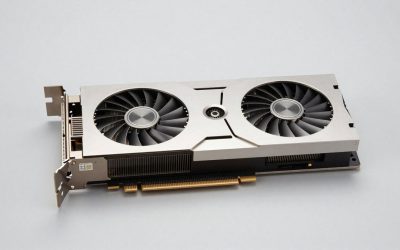
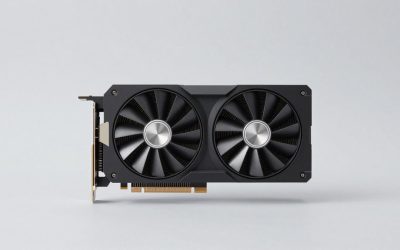
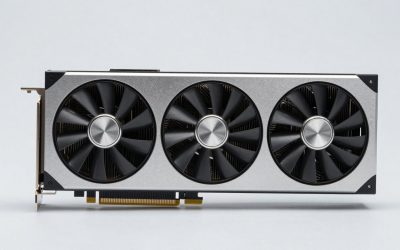
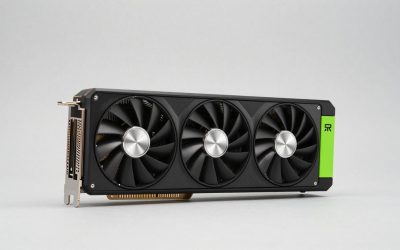
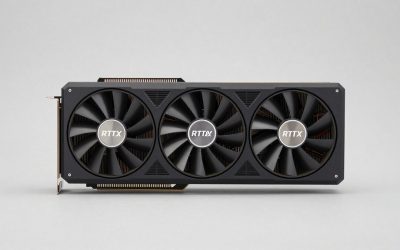
The RTX 5060 Ti 16GB is a compact, efficient card, and most board partners keep it small and SFF-friendly. The ASUS Prime and Dual editions favor 2.5-slot cooling with Axial-tech fans, while the PNY OC Dual Fan and ZOTAC Twin Edge OC keep to slim 2-slot designs perfect for small builds. The MSI Shadow 2X OC and Ventus 2X models add STORMFORCE cooling in a dual-fan layout. All use 16GB of GDDR7 on a 128-bit bus with PCIe 5.0 and HDMI/DP 2.1 outputs. Build quality is solid across the lineup, and the emphasis on compact, SFF-ready designs makes this one of the most flexible cards to fit into nearly any case.
Performance
Performance is where the 16GB variant justifies itself. The extra memory over the 8GB version pays off in modern games with large texture packs and at 1440p, where the frame buffer prevents stutter that can hamper lesser cards. With DLSS 4 and frame generation, the RTX 5060 Ti 16GB delivers smooth high-refresh 1080p gaming and very playable 1440p, making it a genuine sweet spot for mainstream gamers. The 128-bit bus is the main limitation on raw bandwidth, but Blackwell’s efficiency and DLSS largely compensate. Factory OC cards like the ZOTAC Twin Edge and MSI Shadow squeeze out modest gains. The key value question is price: at a fair MSRP it is excellent, but inflated pricing narrows the gap to faster cards.
Pros & Cons
- Generous 16GB GDDR7 that future-proofs textures and 1440p play.
- Excellent 1080p and solid 1440p performance with DLSS 4.
- Compact, SFF-ready designs that fit almost any build.
- Efficient Blackwell architecture with modern PCIe 5.0 connectivity.
- 128-bit memory bus limits raw bandwidth.
- Value hinges on street price, which can drift above MSRP.
Alternatives to Consider
If the 16GB card’s price climbs too high, the 8GB RTX 5060 Ti saves money for those gaming at 1080p with lighter textures, though the 16GB version ages better. Gamers wanting more raw horsepower could stretch to an RTX 5070, which offers stronger 1440p performance. For SFF builds specifically, the slim PNY OC Dual Fan or ZOTAC Twin Edge are ideal. AMD shoppers might also weigh a Radeon RX 9070-class card for competitive rasterization value.
Frequently Asked Questions
Is the 16GB RTX 5060 Ti worth it over the 8GB?
For 1440p and future titles with heavy textures, yes. The extra VRAM prevents stutter and gives the card a longer useful life, which usually justifies the modest price premium.
What resolution is the RTX 5060 Ti 16GB best for?
It excels at high-refresh 1080p and handles 1440p very well, especially with DLSS 4 enabled. It is not aimed at 4K, though DLSS can make some titles playable there.
Does the 128-bit bus hurt performance?
It limits raw memory bandwidth, but Blackwell’s efficiency and DLSS 4 largely offset it. In practice the card performs well for its target resolutions.
Which model should I buy?
For most builds, a well-cooled dual-fan card like the ASUS Dual, ZOTAC Twin Edge, or MSI Ventus offers the best balance of price, cooling, and size. SFF builders should pick the slimmest 2-slot option.
Verdict
The RTX 5060 Ti 16GB is a compelling mainstream card, and its 16GB frame buffer plus DLSS 4 make it a strong choice for 1080p and 1440p gamers who want longevity. Its value depends entirely on the price you can find; near MSRP it is an easy recommendation, and the ASUS Dual, ZOTAC Twin Edge, and MSI Ventus are among the best-balanced picks. Watch the pricing, and if it is fair, this card is one of the smartest builds of the generation.