Key takeaways
- Excellent 1440p and capable 4K performance at a competitive price.
- Greatly improved ray tracing over previous Radeon generations.
- Generous 16GB of VRAM that future-proofs modern gaming.
- Compact and white options to suit varied builds.
AMD’s Radeon RX 9070 XT arrived as one of the most talked-about graphics cards in years, and for good reason. Built on the RDNA 4 architecture with 16GB of GDDR6, it delivers excellent 1440p and capable 4K gaming, dramatically improved ray tracing over previous Radeon cards, and a price-to-performance ratio that undercuts much of the competition. For value-focused builders, it’s a genuinely exciting option.
Partner cards from PowerColor, ASRock, GIGABYTE, and ASUS put their own spin on cooling, clock speeds, and aesthetics. We compared the leading 9070 XT models to see how they differ in the real world and which suits which build. Here’s our assessment and buying advice.
Our top picks
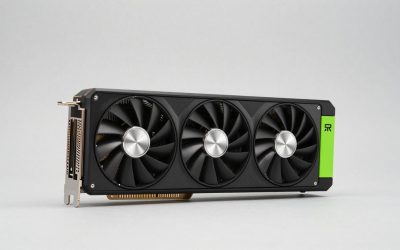
 PowerColor Reaper AMD Radeon RX 9070 XT
- Power Connector: Two 8-pin PCI Express Power Connector
- Minimum System Power: 750W
- Internal Card Length: 289 mm
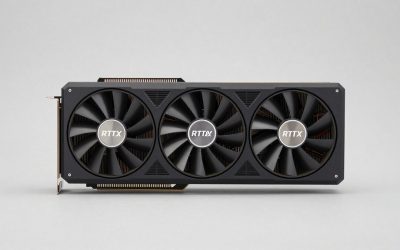
 ASRock Radeon RX 9070 XT Challenger 16GB
- Next-Gen RDNA 4 Architecture: Features AMD's latest RDNA…
- High-Frequency Performance: Boost clock up to 2970 MHz…
- Advanced Cooling System: Triple fan design with Striped…
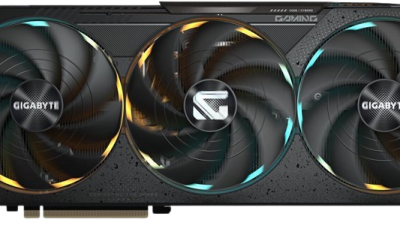
 GIGABYTE Radeon RX 9070 XT Gaming OC
- Powered by Radeon RX 9070 XT
- WINDFORCE Cooling System
- Hawk Fan
| Product | Key specs | |
|---|---|---|
| PowerColor Reaper AMD Radeon RX 9070 XT | Power Connector: Two 8-pin PCI Express Power Connector Minimum System Power: 750W Internal Card Length: 289 mm | Check price |
| ASRock Radeon RX 9070 XT Challenger 16GB | Next-Gen RDNA 4 Architecture: Features AMD's latest RDNA… High-Frequency Performance: Boost clock up to 2970 MHz… Advanced Cooling System: Triple fan design with Striped… | Check price |
| GIGABYTE Radeon RX 9070 XT Gaming OC | Powered by Radeon RX 9070 XT WINDFORCE Cooling System Hawk Fan | Check price |
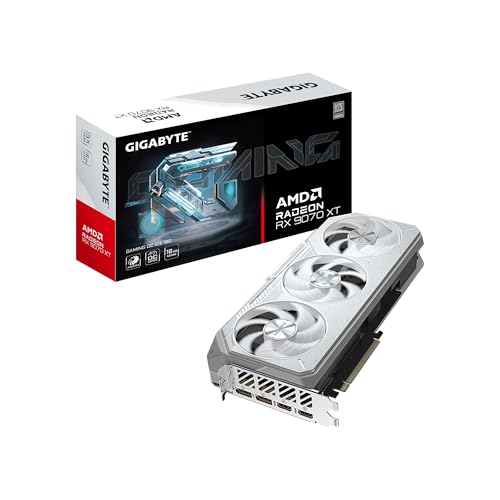 GIGABYTE Radeon™ RX 9070 XT Gaming OC GIGABYTE Radeon™ RX 9070 XT Gaming OC | Powered by Radeon RX 9070 XT - AMD… WINDFORCE Cooling System - The WINDFORCE cooling system… RGB Lighting - With 16.7M customizable color options… | Check price |
 ASUS Prime AMD Radeon RX 9070 XT ASUS Prime AMD Radeon RX 9070 XT | Axial-tech fans now feature a smaller fan hub… Phase-change GPU thermal pad helps ensure optimal heat… 2.5-slot design allows for greater build compatibility while… | Check price |
 ASUS Prime AMD Radeon™ RX 9070 XT ASUS Prime AMD Radeon™ RX 9070 XT | Check price | |
 XFX Swift AMD Radeon RX 9070XT Triple XFX Swift AMD Radeon RX 9070XT Triple | Chipset: AMD RX 9070 XT Memory: 16 GB GDDR6 XFX SWFT Triple Fan Cooling Solution | Check price |
 ASRock Radeon RX 9070 XT Steel Legend ASRock Radeon RX 9070 XT Steel Legend | System Compatibility Note: 2.9-slot design with dimensions 298… Dedicated Support: Please contact us directly through Amazon… Flagship RDNA 4 Performance: Powered by the AMD… | Check price |
As an Amazon Associate we earn from qualifying purchases at no extra cost to you.
🎮 Get More From Your Setup — Free
Prime Gaming gives you free PC games every month, in-game loot, and a free Twitch channel sub — plus fast free shipping on all the gear above. New members get a 30-day free trial.
Watch: 9070 Xt Gpu: Review & Buyer’s Guide — Video Review
Design & Build
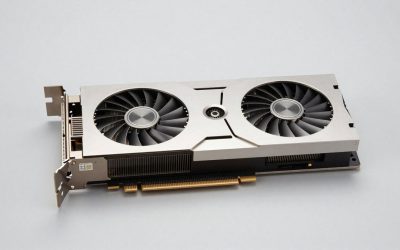
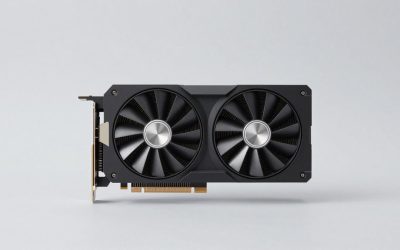
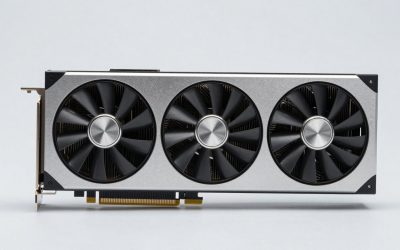
The 9070 XT is refreshingly reasonable in size compared to the flagship monsters, and partners have designed accordingly. The PowerColor Reaper is a compact, no-nonsense card that fits smaller cases easily, while the ASRock Challenger OC adds a triple-fan cooler and a healthy 2970MHz boost clock. GIGABYTE’s Gaming OC and Gaming OC ICE bring robust WINDFORCE-style cooling, server-grade thermal gel, and a clean white option in the ICE variant. The ASUS Prime, available in black or white OC editions, keeps to a sensible 2.5-slot design with Axial-tech fans, dual BIOS, and a three-year warranty. All feature PCIe 5.0 and HDMI/DisplayPort 2.1 outputs, so the choice comes down to size, cooling ambition, and whether you want a color-matched build.
Performance
The 9070 XT is a 1440p champion and a strong 4K performer, trading blows with more expensive cards in raster performance while finally making ray tracing viable on Radeon thanks to RDNA 4’s overhauled RT cores. The 16GB frame buffer is generous and future-proofs it against memory-hungry modern titles, an advantage over some similarly priced rivals with less VRAM. AMD’s FSR upscaling further extends frame rates in supported games. Between partner cards, differences are modest: factory-overclocked models like the ASRock Challenger OC and GIGABYTE Gaming OC run slightly faster and cooler under sustained load, while the compact PowerColor Reaper trades a touch of thermal headroom for small-form-factor friendliness. All are quiet in normal use.
Pros & Cons
- Excellent 1440p and capable 4K performance at a competitive price.
- Greatly improved ray tracing over previous Radeon generations.
- Generous 16GB of VRAM that future-proofs modern gaming.
- Compact and white options to suit varied builds.
- Ray tracing still trails the very best competing cards.
- FSR adoption varies by game compared to rival upscalers.
- Modest differences between partners, so premium models may not be worth the uplift.
Alternatives to Consider
If ray tracing and upscaling are your top priorities and budget is flexible, a competing card may edge ahead in those specific areas. Builders on a tighter budget who game only at 1080p or lower-tier 1440p could save with a step down. But for most people chasing high-refresh 1440p or entry-level 4K value, the 9070 XT is hard to argue against.
Frequently Asked Questions
Is the RX 9070 XT good for 4K gaming?
Yes, it’s a capable 4K card, especially with FSR upscaling enabled. It truly shines at high-refresh 1440p, where it delivers excellent frame rates with headroom.
How much VRAM does the 9070 XT have?
It packs 16GB of GDDR6, which is generous for its class and helps future-proof it against increasingly memory-hungry modern games.
Does the 9070 XT handle ray tracing well?
RDNA 4 dramatically improves AMD’s ray tracing, making it genuinely usable in most titles. It still trails the very top competing cards but closes the gap significantly.
Which 9070 XT model should I buy?
For most builds, a well-cooled OC model like the ASRock Challenger or GIGABYTE Gaming OC is ideal. Choose the compact PowerColor Reaper for small cases or the ASUS Prime white for color-matched builds.
Verdict
The Radeon RX 9070 XT is one of the best value graphics cards on the market, delivering strong 1440p and 4K performance with much-improved ray tracing and a future-proof 16GB frame buffer. The ASRock Challenger OC and GIGABYTE Gaming OC are our picks for balanced cooling and clocks, the PowerColor Reaper for compact builds, and the ASUS Prime white for aesthetics. Any of them makes a smart, cost-effective heart for a modern gaming PC.