Key takeaways
- Reference-grade image: true blacks, vivid HDR, and wide color gamut across the range.
- Elite refresh rates: options up to 500Hz satisfy the most demanding competitive players.
- Near-instant response: 0.01 to 0.03ms pixel response erases ghosting and blur.
- Rich connectivity: HDMI 2.1, DisplayPort 1.4, USB-C, and KVM on select models.
Acer’s Predator line has become shorthand for premium gaming displays, and the current OLED lineup shows why. These monitors pair the perfect blacks and instant pixel response of OLED with the sky-high refresh rates competitive players crave, delivering a picture that makes older LED panels look washed out and sluggish by comparison.
This review covers the Predator OLED family across sizes and resolutions, from ultrawide curved flagships to blistering 500Hz esports panels, plus how they stack up against the strongest rival from Samsung’s Odyssey range.
Our top picks
 Acer Predator X32
- OLED Makes All The Difference: With a display…
- Brilliant Colors: Boasting a DCI-P3 99% color gamut…
- Curved Glory: The 1700R curvature, combined with a…
 Acer 26.5" Predator Gaming Monitor
- 【QD-OLED Visual Excellence for Gaming】 Experience next-level gaming…
- 【Ultra-Fast 240Hz Refresh Rate & 0.03ms Response】 Dominate…
- 【Premium Color Performance & HDR Gaming】 Enjoy lifelike…
 Acer Predator X34
- OLED Makes All The Difference: The OLED UWQHD…
- Brilliant Colors: Boasting a DCI-P3 99% color gamut…
- Curved Glory: The 800R curvature, combined with a…
| Product | Key specs | |
|---|---|---|
| Acer Predator X32 | OLED Makes All The Difference: With a display… Brilliant Colors: Boasting a DCI-P3 99% color gamut… Curved Glory: The 1700R curvature, combined with a… | Check price |
| Acer 26.5" Predator Gaming Monitor | 【QD-OLED Visual Excellence for Gaming】 Experience next-level gaming… 【Ultra-Fast 240Hz Refresh Rate & 0.03ms Response】 Dominate… 【Premium Color Performance & HDR Gaming】 Enjoy lifelike… | Check price |
| Acer Predator X34 | OLED Makes All The Difference: The OLED UWQHD… Brilliant Colors: Boasting a DCI-P3 99% color gamut… Curved Glory: The 800R curvature, combined with a… | Check price |
 Acer Predator Gaming Monitor Acer Predator Gaming Monitor | OLED Makes All the Difference: Ever seen an… Brilliant Colors: With the DCI-P3 99% color gamut,… AMD FreeSync Premium Pro Technology: Get in the… | Check price |
 Samsung 27" Odyssey OLED G6 Samsung 27" Odyssey OLED G6 | Samsung’s 27” Odyssey OLED G6 Gaming Monitor is… OLED Safeguard technology supports performance by actively helping… Glare Free Technology keeps screen clear of reflection… | Check price |
 Acer Predator 27" Gaming Monitor Acer Predator 27" Gaming Monitor | OLED Makes All the Difference: Ever seen an… Brilliant Colors: With the DCI-P3 99% color gamut,… AMD FreeSync Premium Pro Technology: Get in the… | Check price |
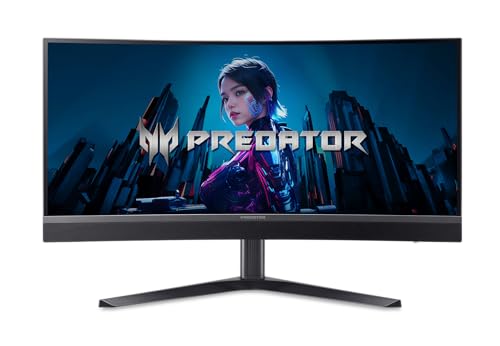 Acer Predator 34in WQHD 3440x1440 Curved 200Hz Acer Predator 34in WQHD 3440x1440 Curved 200Hz | MiniLED Will Change You: Mini LED will ruin… AMD FreeSync Premium Technology: Get in the game… Fast and Furious: If you want seamless gameplay… | Check price |
 Acer Predator Gaming Monitor Acer Predator Gaming Monitor | Resolution Matters: The XB273U F5 27" IPS monitor… The Next Wave: G-SYNC Pulsar takes Variable Refresh… G-SYNC Ambient Adaptive Technology: G-SYNC Ambient Adaptive Technology… | Check price |
As an Amazon Associate we earn from qualifying purchases at no extra cost to you.
🎮 Get More From Your Setup — Free
Prime Gaming gives you free PC games every month, in-game loot, and a free Twitch channel sub — plus fast free shipping on all the gear above. New members get a 30-day free trial.
Watch: Acer Predator Oled Monitor: Review & Buyer’s Guide — Video Review
Design & Build
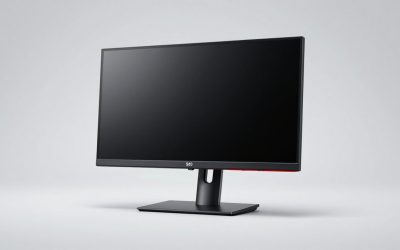
Predator OLED monitors carry a confident, angular aesthetic with slim bezels, sturdy metal stands, and generous ergonomic adjustment. The lineup spans several form factors: the X32 is a 31.5-inch 4K QD-OLED with a subtle 1700R curve for immersive single-player epics, while the X34 stretches to a 34-inch ultrawide 800R curve tailor-made for sim racing and cinematic RPGs. The 27-inch models, including the 240Hz X27U variants and the flatter esports-focused panels, keep the footprint manageable for a standard desk. Connectivity is a strong suit across the range, with USB Type-C, DisplayPort 1.4, and dual HDMI 2.1 inputs on most models, plus a handy KVM switch on the X34.
Performance
This is where OLED earns its premium. Every panel here delivers true blacks, per-pixel lighting, and near-instant response times around 0.01 to 0.03ms, which eliminates the ghosting that plagues even fast LED monitors. Refresh rates are the headline: the 4K X32 hits 240Hz, the ultrawide X34 also runs 240Hz, and the WQHD esports variant pushes an astonishing 500Hz for players who want every possible frame. VESA DisplayHDR True Black certification and wide DCI-P3 coverage give HDR games genuine punch and color depth. AMD FreeSync Premium or Premium Pro keeps everything tear-free. Whether you prioritize resolution, refresh, or immersion, there’s a Predator tuned for it.
Pros & Cons
- Reference-grade image: true blacks, vivid HDR, and wide color gamut across the range.
- Elite refresh rates: options up to 500Hz satisfy the most demanding competitive players.
- Near-instant response: 0.01 to 0.03ms pixel response erases ghosting and blur.
- Rich connectivity: HDMI 2.1, DisplayPort 1.4, USB-C, and KVM on select models.
- Premium pricing: OLED gaming monitors command a real cost premium.
- Burn-in caution: static UI elements require care over years of heavy use, though safeguards help.
- Brightness in SDR: OLED full-field brightness trails the brightest mini-LED panels.
Alternatives to Consider
The obvious cross-shop is Samsung’s Odyssey OLED G6, a 27-inch QD-OLED that matches the 240Hz Predator panels with Pantone validation and a three-year warranty, making it the closest direct rival. If OLED’s price or brightness gives you pause, a high-end mini-LED gaming monitor offers searing HDR highlights and no burn-in worries. But for motion clarity and contrast, the Predator OLEDs remain the ones to beat.
Frequently Asked Questions
Which Predator OLED is best for competitive gaming?
The 27-inch WQHD models are the sweet spot for esports, with the 500Hz variant catering to players who want the absolute maximum refresh. Their flatter panels and sharp response times suit fast shooters better than the curved ultrawides.
Should I worry about OLED burn-in?
Modern OLED panels include pixel-shifting and panel-refresh safeguards that greatly reduce the risk for typical mixed use. Avoid leaving static bright elements on screen for many hours at a time and you should be fine over a normal ownership period.
Is 4K or ultrawide better on these Predators?
Choose the 4K X32 for maximum sharpness and desktop detail, or the 34-inch ultrawide X34 for immersive width in racing and story-driven games. Both run 240Hz, so it comes down to whether you prioritize pixel density or field of view.
Do I need HDMI 2.1 for these monitors?
To drive high resolutions at high refresh from a current console or GPU, HDMI 2.1 or DisplayPort 1.4 is important, and the Predator range includes both. It ensures the PS5, Xbox Series X, and modern graphics cards can hit the panel’s full potential.
Verdict
Acer’s Predator OLED range is among the best gaming displays you can buy, with a model for every priority. The X34 ultrawide is the immersion champion, the 4K X32 the all-rounder, and the 500Hz 27-inch panel the esports weapon. Samsung’s Odyssey OLED G6 is a worthy alternative, but if you want Acer’s connectivity and range of sizes, the Predators are an easy recommendation.