Shopping for a gaming monitor under $200 in 2026 means navigating a market flooded with panels that promise high refresh rates and vibrant color, then quietly cut corners on response time, color accuracy, or panel uniformity. The result is a lot of buyer’s remorse: a monitor that looked great on a spec sheet but ghosts badly in fast shooters, or one that arrives with a washed-out picture no calibration can fix.
This guide cuts through that noise. Every monitor below genuinely sits within the $200 budget, and each was chosen because it delivers a specific kind of value — whether that’s a true 144Hz refresh rate at 1080p, a step up to QHD resolution, or a curved panel that punches above its price. We also cover the specs that actually matter at this tier, so you know exactly which compromises are worth making.
Our top picks
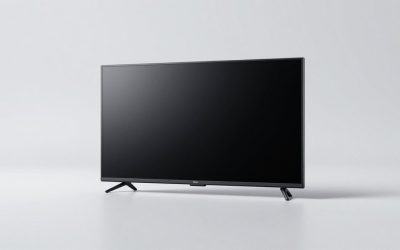
 Sceptre New 22-Inch Gaming Monitor
- 【INTEGRATED SPEAKERS】Whether you're at work or in the…
- 【EASY ON THE EYES】 Protect your eyes and…
- 【WIDEN YOUR PERSPECTIVE】Our sleek minimal bezel design ensures…
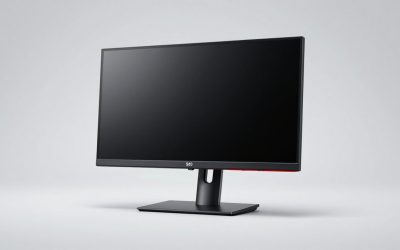
 Samsung 27" Odyssey G5
- QHD Resolution (2560 x 1440) has 1.7 times…
- HDR10 provides brighter highlights and nuanced shadow for…
- The 180Hz refresh rate minimizes lag for gameplay…
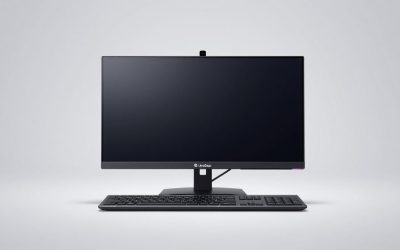
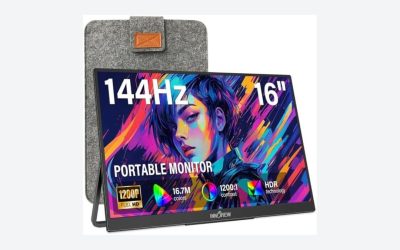
 ArcticPro 22 Inch Gaming Monitor 144Hz
- [Full HD Resolution] Enjoy the crystal-clear image quality…
- [Smooth Performance] The monitor features a maximum refresh…
- [178° Wide Perspective and Tilt Angles] With 178°…
| Product | Key specs | |
|---|---|---|
| Sceptre New 22-Inch Gaming Monitor | 【INTEGRATED SPEAKERS】Whether you're at work or in the… 【EASY ON THE EYES】 Protect your eyes and… 【WIDEN YOUR PERSPECTIVE】Our sleek minimal bezel design ensures… | Check price |
| Samsung 27" Odyssey G5 | QHD Resolution (2560 x 1440) has 1.7 times… HDR10 provides brighter highlights and nuanced shadow for… The 180Hz refresh rate minimizes lag for gameplay… | Check price |
| ArcticPro 22 Inch Gaming Monitor 144Hz | [Full HD Resolution] Enjoy the crystal-clear image quality… [Smooth Performance] The monitor features a maximum refresh… [178° Wide Perspective and Tilt Angles] With 178°… | Check price |
 Sceptre 27-inch Prime Gaming Monitor 100Hz 1ms Sceptre 27-inch Prime Gaming Monitor 100Hz 1ms | 100% sRGB Color Gamut: With 100% sRGB, our… DP & HDMI Ports: Two HDMI ports and… Blue Light Shift: Blue Light Shift reduces blue… | Check price |
 Philips 22 Inch Computer Monitor FHD 100Hz Philips 22 Inch Computer Monitor FHD 100Hz | This 22 inch class (21.5″ viewable) Philips V… 100Hz brings your favorite movies and video games… Adaptive-Sync technology ensures fluid action sequences and rapid… | Check price |
 Sceptre Curved 24-inch Gaming Monitor 1080p R1500 Sceptre Curved 24-inch Gaming Monitor 1080p R1500 | 1800R curve monitor the curved display delivers a… Hdmi, VGA & PC audio in ports High refresh rate 75Hz.Brightness (cd/m²):250 cd/m2 | Check price |
 Acer 27in FHD 1920x1080 IPS 120Hz Office Acer 27in FHD 1920x1080 IPS 120Hz Office | Incredible Images: The Acer KB272 G0bi 27" monitor… Adaptive-Sync Support: Get fast refresh rates thanks to… Responsive!!: Fast response time of 1ms enhances the… | Check price |
 New! Sceptre 24-inch Prime Gaming Monitor DisplayPort New! Sceptre 24-inch Prime Gaming Monitor DisplayPort | 【TRUE TO LIFE COLORS】Experience vibrant and true-to-life colors… 【SEAMLESS CONNECTIVITY & PERFORMANCE】 Seamlessly link your devices… 【EASY ON THE EYES】 Protect your eyes and… | Check price |
As an Amazon Associate we earn from qualifying purchases at no extra cost to you.
⚡ Save on Your Next PC — Amazon Prime
Prime members get fast free shipping on the systems above, plus early access to Prime Day & Black Friday PC deals. New members get a 30-day free trial.
Watch: Best Gaming Monitor Under $200 — Video Review
How to Choose Gaming Monitor Under $200
- Refresh rate over resolution: At this budget, a 144Hz 1080p panel will feel dramatically smoother in competitive games than a 60Hz 1440p one. Prioritize refresh rate unless you play mostly slow-paced or single-player titles.
- Panel type matters: IPS panels give you the best color accuracy and viewing angles; VA panels deliver deeper contrast and better blacks but can smear in dark scenes. Avoid unbranded TN panels unless you’re strictly a competitive player chasing minimum latency.
- Adaptive sync is non-negotiable: AMD FreeSync (which also works with most modern NVIDIA cards via G-Sync Compatible mode) eliminates screen tearing without the input lag of V-Sync. Nearly every worthwhile budget monitor includes it — treat its absence as a red flag.
- Check the real ports, not the count: DisplayPort is required to hit 144Hz reliably at 1080p on many budget panels. HDMI 2.0 can manage it too, but older HDMI 1.4 ports cap you at 120Hz or lower, so verify before you buy.
- Be realistic about extras: Built-in speakers, height-adjustable stands, and USB hubs are rare under $200. Budget for a separate stand or headset rather than paying a premium for a monitor that half-delivers on all three.
The Best Picks Reviewed
Sceptre 22″ 144Hz (E225W-FW144)
This is the most straightforward value play in the category: a genuine 144Hz refresh rate with both HDMI and DisplayPort inputs at a price most brands charge for 75Hz panels. The 22-inch size keeps pixel density tight at 1080p, which means text and game HUDs look crisp rather than stretched, and the built-in speakers are a reasonable fallback if you’re setting up a secondary battlestation.
Samsung 27″ Odyssey G5 (G51F)
The G51F is the only monitor here that gets you to QHD 1440p, and Samsung’s panel tuning means the extra resolution actually looks the part rather than just filling in a spec sheet. It’s the pick for anyone with a mid-range GPU who plays visually rich single-player games, though you’ll want to confirm current pricing since this model sits at the very top of the $200 ceiling.
ArcticPro 22″ 144Hz
The standout here is the claimed 105% sRGB coverage, which is unusually wide for a budget 22-inch panel and translates to noticeably richer color in games that lean on stylized art direction. Paired with 144Hz, it’s a strong all-rounder for someone who wants their monitor to handle photo editing or content viewing between gaming sessions.
Sceptre 27″ Prime (E275W-FW100T)
If screen real estate is your priority, this 27-inch panel delivers 100Hz, a 1ms response time, and full 100% sRGB coverage with dual HDMI plus DisplayPort — a genuinely generous port selection at this price. The trade-off is pixel density: 1080p stretched across 27 inches looks softer up close, so sit a little further back or step up to the QHD Samsung if sharpness is critical.
Philips 22″ 100Hz (221V8LB)
Philips leans on its VA panel here to deliver contrast that IPS competitors can’t match at this price, making dark scenes and horror games look considerably more convincing. It’s the conservative choice — 100Hz rather than 144Hz — but the flicker-free backlight and VESA mounting support make it a sensible pick for long sessions and multi-monitor setups.
Frequently Asked Questions
Is 1080p still worth buying in 2026?
Absolutely, especially under $200. A 1080p panel lets a mid-range or older GPU push high frame rates without compromise, and on screens 24 inches and smaller the pixel density is genuinely sharp. Move to 1440p only if you have the graphics headroom to drive it.
Do I need 144Hz, or is 100Hz enough?
For competitive shooters, the jump from 60Hz to 100Hz delivers most of the perceptible benefit, and 144Hz refines it further. If you play mainly story-driven or strategy games, 100Hz is more than adequate and often lets you spend the savings on a larger panel.
Will FreeSync work with my NVIDIA graphics card?
In most cases, yes. NVIDIA cards from the GTX 10-series onward support G-Sync Compatible mode over DisplayPort, which uses the same adaptive sync standard. You may need to enable it manually in the NVIDIA Control Panel.
Are curved monitors better for gaming?
Curvature helps most on wider panels at close viewing distances, where it reduces the eye travel needed to track the edges of the screen. On a 24-inch monitor the effect is subtle — treat it as a mild bonus rather than a deciding factor.
Final Thoughts
For most buyers, the Sceptre 22-inch E225W-FW144 is the smartest use of a sub-$200 budget: a true 144Hz refresh rate with DisplayPort, at a price that leaves room for a decent headset. If you have the GPU to drive it and can stretch to the top of the range, the Samsung Odyssey G5 (G51F) is the one monitor here that meaningfully upgrades your image quality with QHD resolution. And if you simply want the biggest screen your money can buy, the Sceptre 27-inch Prime delivers a full-size gaming display with a port selection that shames monitors twice its price.