Key takeaways
- Prioritise cache over core count: Games rarely use more than eight cores well. AMD’s 3D V-Cache chips consistently beat higher-core-count processors in gaming because large L3 cache keeps game data close to the cores. An 8-core X3D part will outperform a 16-core non-X3D chip in almost every title.
- Match the CPU to your GPU and resolution: At 4K the GPU does most of the work, so a mid-range CPU is fine. At 1080p and 1440p with a high-refresh monitor, the CPU becomes the limiting factor — that’s where paying for an X3D chip pays off.
- Budget for the platform, not just the chip: AM5 needs DDR5 and a newer motherboard, adding £100–£200 to the build. AM4 boards and DDR4 are cheap and plentiful, which is why AM4 chips still make sense for tight budgets even in 2026.
- Check whether a cooler is included: Most enthusiast chips ship bare. X3D processors in particular run best with a decent tower cooler or 240mm AIO, so factor £30–£80 into your total unless the CPU includes one.
- Think about upgrade life: AM5 will carry you through at least one more GPU generation with a simple BIOS update. AM4 is a dead-end socket now — excellent value today, but the next upgrade means a new board and RAM.
Shopping for a gaming CPU under $300 is trickier than it looks. The temptation is always to stretch the budget for more cores, higher clocks, or a shinier product name — but in games, most of that extra spending goes nowhere. What actually moves frame rates is cache, per-core performance, and a platform that won’t force a full rebuild in two years. Spend badly and you end up with a chip that bottlenecks a mid-range GPU while your motherboard hits a dead end.
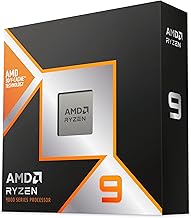
This guide covers the processors worth buying under $300 in 2026, from budget builds pairing with an RX 7600 or RTX 5060 to genuine high-refresh 1440p machines. We’ve focused on real gaming performance per dollar, upgrade headroom on AM4 and AM5, and cooling and motherboard costs — because the sticker price is never the whole price. A note on one entry: the Ryzen 9 9950X3D sits well above this budget and is included only as a reference point for what serious extra spending actually buys you.
Our top picks
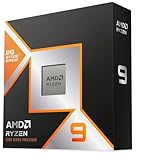
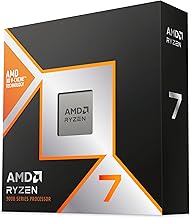
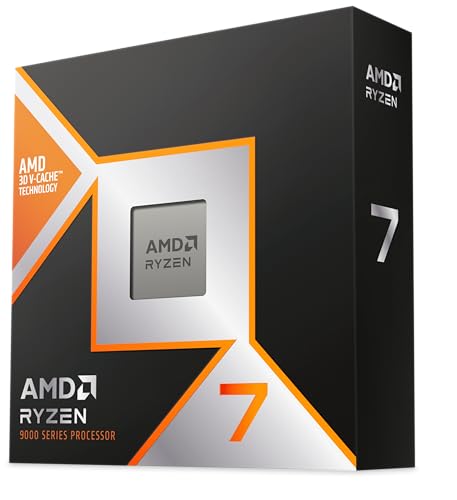 AMD RYZEN 7 9800X3D 8-Core
- Product Group: Personal Computer
- Binding: Personal Computers


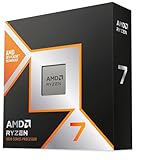
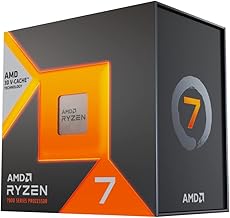
 AMD Ryzen 7 7800X3D 8-Core
- Product Group: Personal Computer
- Binding: Personal Computers


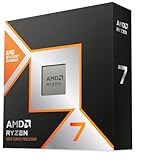
 AMD Ryzen™ 7 9700X 8-Core
- Product Group: Personal Computer
- Binding: Personal Computers
As an Amazon Associate we earn from qualifying purchases at no extra cost to you. Ratings are shown as listed on Amazon.
⚡ Save on Your Next PC — Amazon Prime
Prime members get fast free shipping on the systems above, plus early access to Prime Day & Black Friday PC deals. New members get a 30-day free trial.
Watch: Best CPU for Gaming Under $300 — Video Review
How to Choose CPU for Gaming Under $300
- Prioritise cache over core count: Games rarely use more than eight cores well. AMD’s 3D V-Cache chips consistently beat higher-core-count processors in gaming because large L3 cache keeps game data close to the cores. An 8-core X3D part will outperform a 16-core non-X3D chip in almost every title.
- Match the CPU to your GPU and resolution: At 4K the GPU does most of the work, so a mid-range CPU is fine. At 1080p and 1440p with a high-refresh monitor, the CPU becomes the limiting factor — that’s where paying for an X3D chip pays off.
- Budget for the platform, not just the chip: AM5 needs DDR5 and a newer motherboard, adding £100–£200 to the build. AM4 boards and DDR4 are cheap and plentiful, which is why AM4 chips still make sense for tight budgets even in 2026.
- Check whether a cooler is included: Most enthusiast chips ship bare. X3D processors in particular run best with a decent tower cooler or 240mm AIO, so factor £30–£80 into your total unless the CPU includes one.
- Think about upgrade life: AM5 will carry you through at least one more GPU generation with a simple BIOS update. AM4 is a dead-end socket now — excellent value today, but the next upgrade means a new board and RAM.
The Best Picks Reviewed
AMD Ryzen 7 9800X3D
The fastest gaming processor most people can realistically buy, combining second-generation 3D V-Cache with fully unlocked clocks so it no longer trails behind in productivity work. It sits at the very top of this budget — and often just past it — but if you’re driving a high-refresh 1440p panel with a strong GPU, nothing else here comes close.
AMD Ryzen 7 7800X3D
Still one of the smartest gaming buys on AM5, delivering roughly 90–95% of the 9800X3D’s frame rates for noticeably less money. It runs cool, sips power under gaming loads, and leaves budget free for a better graphics card — which is usually the wiser trade.
AMD Ryzen 7 5800X3D
The chip that gave AM4 a second life, and it remains the best possible drop-in upgrade for anyone on a B450 or X570 board with DDR4 memory. It won’t match modern AM5 parts, but it keeps pace with far newer mid-range CPUs in games for a fraction of a full platform rebuild.
AMD Ryzen 5 9600X
A well-balanced six-core option for builders who want a current AM5 platform without X3D pricing, offering strong single-thread performance and low power draw. It’s a sensible pairing with a mid-range GPU at 1440p, with a clear upgrade path to a 3D V-Cache chip later.
AMD Ryzen 5 5500
The genuine budget pick, and it includes a Wraith Stealth cooler that’s adequate for stock operation. Paired with cheap DDR4 and a used AM4 board, it makes surprisingly capable 1080p gaming builds possible for very little money — just don’t expect it to keep a high-end GPU fed.
Frequently Asked Questions
Is an X3D processor worth the extra cost for gaming?
If you play at 1080p or 1440p with a high-refresh monitor, yes — the extra cache often delivers 15–30% higher frame rates in CPU-heavy titles like simulators, strategy games, and open-world RPGs. At 4K the advantage shrinks considerably, so a cheaper chip makes more sense.
Should I still build on AM4 in 2026?
Only if budget is the deciding factor. AM4 boards, DDR4 memory, and chips like the 5500 and 5800X3D are cheap and readily available, but the socket receives no new processors, so any future upgrade means replacing the motherboard and RAM as well.
Do I need an aftermarket cooler?
For anything above the Ryzen 5 5500, yes. X3D chips are thermally dense and benefit from a good air tower or 240mm AIO to maintain boost clocks, and most enthusiast processors don’t include a cooler in the box.
How much RAM should I pair with these CPUs?
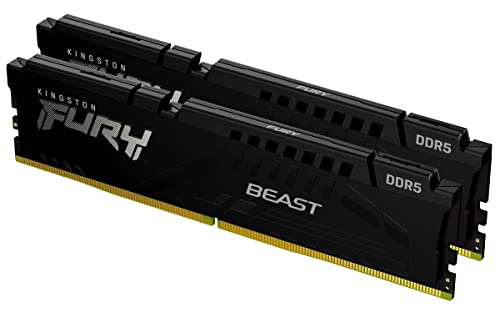
32GB is the sensible target in 2026, as several recent titles now exceed 16GB in use. On AM5, DDR5-6000 with tight timings is the sweet spot for Ryzen; on AM4, DDR4-3600 CL16 gets the best from Infinity Fabric.
Final Thoughts
For most gamers building today, the AMD Ryzen 7 7800X3D is the clearest value pick in this price range, delivering near-flagship gaming performance while leaving budget for a better GPU. If you can stretch to the top of the budget, the Ryzen 7 9800X3D is the fastest gaming chip here and the safest long-term buy on AM5. And if you’re already on AM4, the Ryzen 7 5800X3D remains the single best-value upgrade available — a straight drop-in that can add years to an existing build.