Key takeaways
- For competitive esports at 1080p: The RTX 5060’s efficiency and DLSS 4 frame generation give it the edge.
- For 1440p gaming: The RX 9060 XT’s 16GB of VRAM keeps textures maxed where the 5060 can struggle.
- For ray tracing: The RTX 5060 still leads on RT performance and image quality.
- For future-proofing: The 9060 XT’s larger memory buffer ages better as VRAM demands climb.
- For lowest power and smallest builds: The RTX 5060’s efficiency makes it the SFF-friendly choice.
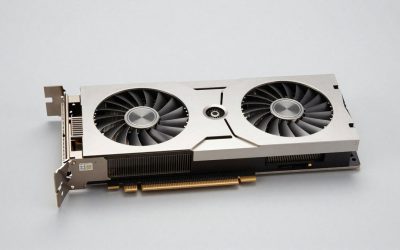
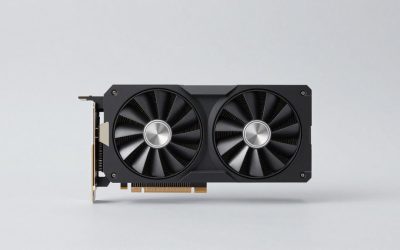
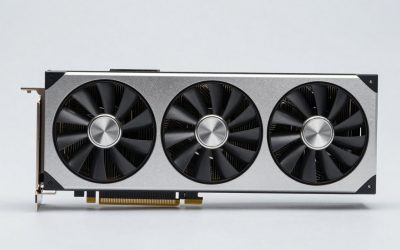
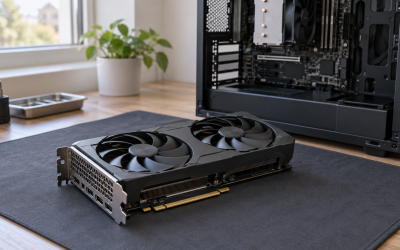
The mainstream GPU battle this generation comes down to two cards: NVIDIA’s RTX 5060 and AMD’s Radeon RX 9060 XT. Both target the enormous 1080p and 1440p gaming crowd, but they take noticeably different approaches, most visibly in memory. The 5060 ships with 8GB of fast GDDR7, while the 9060 XT commonly comes with a roomier 16GB of GDDR6.
That single spec difference ripples through everything from texture headroom to future-proofing, but it isn’t the whole story. Feature sets, upscaling quality, and power efficiency all factor in. Here’s a clear-eyed comparison to help you pick the right card for your build.
Our top picks
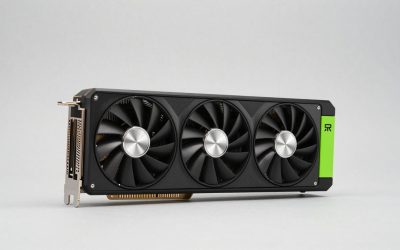
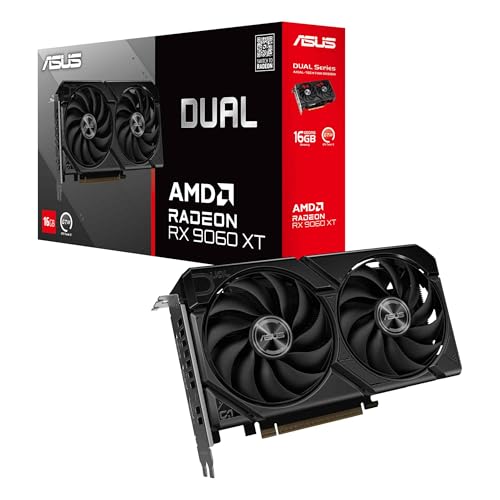 ASUS Dual Radeon RX 9060 XT 16GB
- Axial-tech fans now feature a smaller fan hub…
- 2.5-slot design allows for greater build compatibility while…
- 0dB technology lets you enjoy light gaming in…
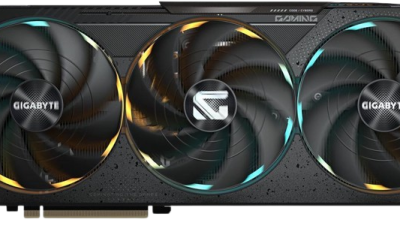
 GIGABYTE GeForce RTX 5060 WINDFORCE OC 8G
- Powered by the NVIDIA Blackwell architecture and DLSS…
- Powered by GeForce RTX 5060
- Integrated with 8GB GDDR7 128bit memory interface
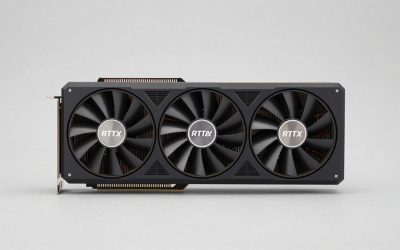
 ASUS Dual NVIDIA GeForce RTX 5060 8GB
SFF-ready design fits small-form-factor builds
3-year coverage backs the card over time
Axial-tech fans aim for quieter sustained cooling
8GB GDDR7 memory trails higher-tier RTX 50-series cards
AI performance figure is modest versus flagship models
| Product | Key specs | |
|---|---|---|
| ASUS Dual Radeon RX 9060 XT 16GB | Axial-tech fans now feature a smaller fan hub… 2.5-slot design allows for greater build compatibility while… 0dB technology lets you enjoy light gaming in… | Check price |
| GIGABYTE GeForce RTX 5060 WINDFORCE OC 8G | Powered by the NVIDIA Blackwell architecture and DLSS… Powered by GeForce RTX 5060 Integrated with 8GB GDDR7 128bit memory interface | Check price |
| ASUS Dual NVIDIA GeForce RTX 5060 8GB | Check price | |
 GIGABYTE GeForce RTX 5060 AERO OC 8G | Powered by the NVIDIA Blackwell architecture and DLSS… Powered by GeForce RTX 5060 Integrated with 8GB GDDR7 128bit memory interface | Check price |
 PowerColor Reaper AMD Radeon RX 9060 XT | Power Connector: One 8-pin PCI Express Power Connector Minimum System Power: 500W Internal Card Length: 200 mm | Check price |
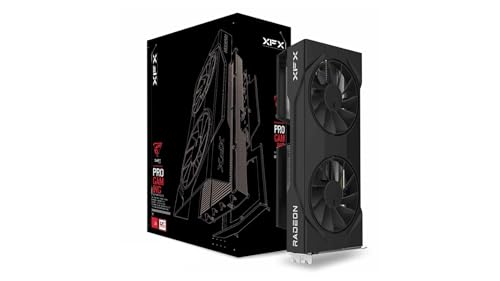 XFX Swift AMD Radeon RX 9060 XT | Chipset: AMD RX 9060 XT Memory: 16 GB GDDR6 XFX SWFT Dual Fan Cooling Solution | Check price |
 Gigabyte Radeon RX 9060 XT Gaming OC | Check price | |
 ZOTAC Gaming GeForce RTX 5060 Twin Edge | Powered by the NVIDIA Blackwell architecture and DLSS… SFF-ready compact card, 2-slot, 8GB GDDR7, 128-bit, 28… 2x 90mm BladeLink fans, Composite Heatpipes, Pass-thru Airflow… | Check price |
As an Amazon Associate we earn from qualifying purchases at no extra cost to you.
🎮 Get More From Your Setup — Free
Prime Gaming gives you free PC games every month, in-game loot, and a free Twitch channel sub — plus fast free shipping on all the gear above. New members get a 30-day free trial.
Watch: Rtx 5060 Vs 9060 Xt: Full Comparison — Video Review
Quick Verdict
If you want the strongest upscaling and ray tracing with lower power draw, the RTX 5060 is the pick, provided 8GB of VRAM is enough for your resolution and titles. If you play at 1440p, want to keep textures maxed, or simply value memory headroom for the years ahead, the RX 9060 XT’s 16GB makes it the more future-proof buy.
NVIDIA GeForce RTX 5060
The RTX 5060 leans on NVIDIA’s ecosystem strengths. With DLSS 4 and multi-frame generation, it can turn modest native frame rates into buttery-smooth output, and its ray-tracing hardware remains a step ahead of AMD’s. Cards like the GIGABYTE WINDFORCE OC and ASUS Dual OC editions run cool and quiet thanks to dual-fan Axial-tech designs, and the card’s efficiency means modest PSU requirements.
The sticking point is the 8GB frame buffer. At 1080p that’s generally fine, but a handful of modern titles with high-resolution textures can bump against the limit, especially with ray tracing on. For esports and most mainstream games, though, the 5060 delivers a polished, high-frame-rate experience with best-in-class upscaling.
AMD Radeon RX 9060 XT
AMD’s RDNA 4-based RX 9060 XT answers with 16GB of GDDR6, double the memory of the standard 5060. That headroom pays off at 1440p and in texture-heavy games where 8GB cards start to stutter. Models like the ASUS Dual, PowerColor Reaper, and XFX Swift OC triple-fan editions offer strong cooling and quiet operation.
RDNA 4 also closes much of AMD’s historic ray-tracing gap, and FSR upscaling continues to improve. Raw rasterization performance is highly competitive with the 5060, and the extra VRAM gives the 9060 XT a longer usable life as games grow more memory-hungry. The trade-off is slightly higher power draw and upscaling that, while much improved, still trails DLSS in image quality.
Head-to-Head: Which Should You Buy?
- For competitive esports at 1080p: The RTX 5060’s efficiency and DLSS 4 frame generation give it the edge.
- For 1440p gaming: The RX 9060 XT’s 16GB of VRAM keeps textures maxed where the 5060 can struggle.
- For ray tracing: The RTX 5060 still leads on RT performance and image quality.
- For future-proofing: The 9060 XT’s larger memory buffer ages better as VRAM demands climb.
- For lowest power and smallest builds: The RTX 5060’s efficiency makes it the SFF-friendly choice.
Frequently Asked Questions
Is 8GB of VRAM enough in 2026?
At 1080p, usually yes. At 1440p or with maxed textures and ray tracing, 8GB can become a bottleneck in some newer titles, which is where the 9060 XT’s 16GB helps.
Which has better upscaling?
NVIDIA’s DLSS 4 remains the image-quality leader, though AMD’s FSR has narrowed the gap considerably on RDNA 4 hardware.
Does the RX 9060 XT handle ray tracing well?
Much better than previous AMD generations. RDNA 4 closes most of the gap, though the RTX 5060 still holds a lead in heavy RT workloads.
Which card is more power efficient?
The RTX 5060 draws less power and runs cooler, making it the better fit for small-form-factor builds and lower-wattage power supplies.
Final Verdict
Both cards are excellent 1080p and entry-1440p performers, so the decision hinges on priorities. Choose the RTX 5060 if you want the best upscaling, ray tracing, and efficiency and play mostly at 1080p. Choose the RX 9060 XT if you want 16GB of VRAM for 1440p and longer-term headroom. For most buyers eyeing a card to last several years, that extra memory tips the balance toward AMD, but the 5060 remains the smarter pick for RT enthusiasts and small builds.