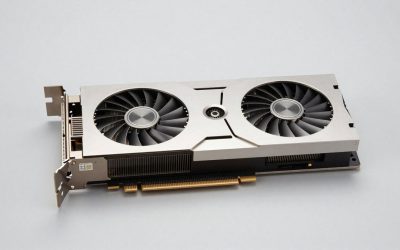
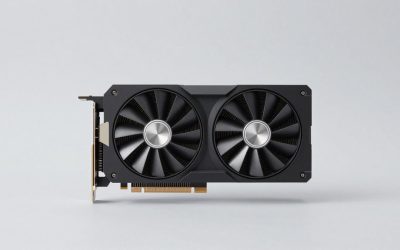
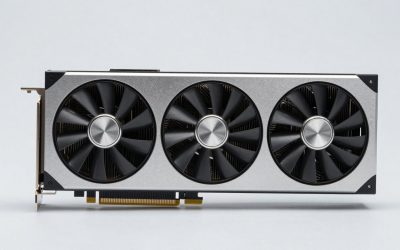
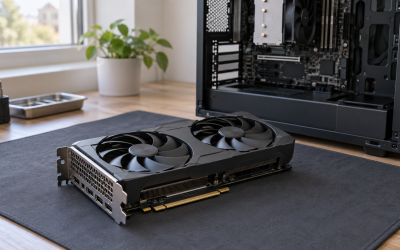
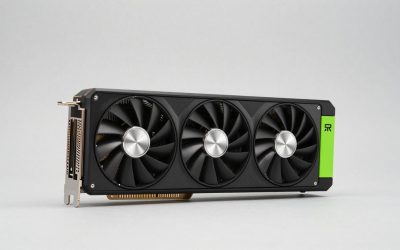
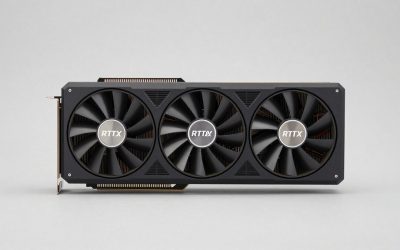
Picking the right graphics card in 2026 feels harder than ever. Prices swing wildly, VRAM requirements keep climbing with every new game release, and the gap between “great value” and “overpriced hype” can be a single generation of GPU architecture. Add in PCIe 5.0, DLSS 4, and the return of true multi-frame-generation tech, and it’s easy to overspend on features you won’t use—or underspend and bottleneck a otherwise great gaming rig.
This guide cuts through the noise. We’ve rounded up six of the best graphics cards for gaming in 2026, spanning budget 1080p builds to high-refresh 1440p and 4K rigs, from both AMD and NVIDIA. Whether you’re building your first PC or upgrading an aging card, you’ll find a clear recommendation below, along with a practical buying framework so you can make the right call for your budget and monitor.
Our top picks
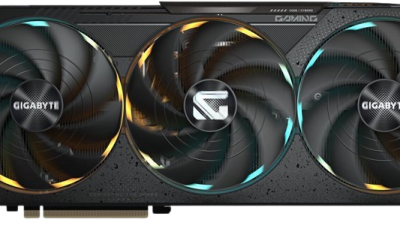
 GIGABYTE Radeon RX 9070 XT Gaming OC
- Powered by Radeon RX 9070 XT
- WINDFORCE Cooling System
- Hawk Fan
 ASUS Dual NVIDIA GeForce RTX 5060 Ti
- AI Performance: 767 AI TOPS
- OC mode: 2632 MHz (OC mode)/ 2602 MHz…
- Powered by the NVIDIA Blackwell architecture and DLSS…
 GIGABYTE GeForce RTX 5070 Ti Gaming OC
16GB GDDR7 on a 256-bit bus suits demanding titles
WINDFORCE cooling system supports sustained clock speeds
PCIe 5.0 interface keeps the card future-ready
Color finish is not specified in the listing
Nearly 4-pound card needs adequate case support
| Product | Key specs | |
|---|---|---|
| GIGABYTE Radeon RX 9070 XT Gaming OC | Powered by Radeon RX 9070 XT WINDFORCE Cooling System Hawk Fan | Check price |
| ASUS Dual NVIDIA GeForce RTX 5060 Ti | AI Performance: 767 AI TOPS OC mode: 2632 MHz (OC mode)/ 2602 MHz… Powered by the NVIDIA Blackwell architecture and DLSS… | Check price |
| GIGABYTE GeForce RTX 5070 Ti Gaming OC | Check price | |
 MSI Gaming GeForce RTX 3060 12GB 15 MSI Gaming GeForce RTX 3060 12GB 15 | NVIDIA GeForce RTX 3060 12GB GDDR6 dedicated graphics… 1710 MHz GPU clock speed and 1807 MHz… DisplayPort x 3 (v1.4a) and HDMI 2.1 x… | Check price |
 ASUS Dual NVIDIA GeForce RTX 5060 8GB ASUS Dual NVIDIA GeForce RTX 5060 8GB | Check price | |
 ASUS Prime AMD Radeon RX 9070 XT ASUS Prime AMD Radeon RX 9070 XT | Axial-tech fans now feature a smaller fan hub… Phase-change GPU thermal pad helps ensure optimal heat… 2.5-slot design allows for greater build compatibility while… | Check price |
 ASUS TUF Gaming GeForce RTX™ 5080 16GB ASUS TUF Gaming GeForce RTX™ 5080 16GB | Powered by the NVIDIA Blackwell architecture and DLSS… Military-grade components deliver rock-solid power and longer lifespan… Protective PCB coating helps protect against short circuits… | Check price |
 GIGABYTE GeForce RTX 5070 Gaming OC 12G GIGABYTE GeForce RTX 5070 Gaming OC 12G | Powered by the NVIDIA Blackwell architecture and DLSS… Powered by GeForce RTX 5070 Integrated with 12GB GDDR7 192bit memory interface | Check price |
As an Amazon Associate we earn from qualifying purchases at no extra cost to you.
🎮 Get More From Your Setup — Free
Prime Gaming gives you free PC games every month, in-game loot, and a free Twitch channel sub — plus fast free shipping on all the gear above. New members get a 30-day free trial.
Watch: Best Graphics Card For Gaming — Video Review
How to Choose a Graphics Card For Gaming (2026)
- Resolution target: Match VRAM and GPU horsepower to your monitor—8GB cards suit 1080p, while 1440p and 4K gaming demand 12GB or more to avoid stuttering in modern titles.
- VRAM headroom: Newer games are increasingly VRAM-hungry; 16GB cards offer more future-proofing than 8-12GB options, especially with high-res texture packs and ray tracing.
- PCIe and platform compatibility: PCIe 5.0 cards are backward compatible with PCIe 4.0 motherboards, but confirm your case has clearance for 2.5 to 3.125-slot coolers before buying.
- Upscaling and frame generation: DLSS 4 and FSR support can meaningfully boost frame rates without a visible quality hit, effectively extending a card’s useful lifespan.
- Cooling and noise: Look for 0dB idle modes, dual ball-bearing fans, and adequate slot width; a well-cooled card sustains boost clocks longer and runs quieter under load.
The Best Graphics Card For Gaming (2026)s Reviewed
GIGABYTE Radeon RX 9070 XT Gaming OC 16G
This card delivers excellent 1440p and entry-level 4K performance thanks to its 16GB GDDR6 buffer and PCIe 5.0 interface. It’s a strong pick for gamers who want AMD’s latest architecture without stepping up to flagship pricing.
ASUS Dual RTX 5060 Ti 16GB OC Edition
The 16GB GDDR7 buffer paired with DLSS 4 support makes this one of the best value plays for 1440p gaming in 2026. Its 0dB idle mode and compact 2.5-slot design also make it a great fit for smaller builds.
ASUS TUF Gaming RTX 5070 12GB OC Edition
Built with military-grade components and a protective PCB coating, this card balances durability with strong 1440p performance. It’s a dependable mid-range choice for gamers who want NVIDIA’s latest features without the RTX 5070 Ti price jump.
MSI Gaming RTX 3060 12GB OC
Still one of the most reliable budget options, the RTX 3060’s 12GB buffer and Torx Twin Fan cooling make it well-suited to 1080p gaming at high settings. It’s an easy recommendation for anyone building a value-focused rig on PCIe 4.0.
ASUS Dual RTX 5060 8GB OC Edition
Compact and efficient, this card brings DLSS 4 and PCIe 5.0 to budget-conscious 1080p builds. The Axial-tech fans and 0dB technology keep noise low, making it a smart pick for quiet, space-constrained setups.
Frequently Asked Questions
How much VRAM do I need for gaming in 2026?
For 1080p gaming, 8GB is typically sufficient, but 12GB or more is strongly recommended for 1440p and required for comfortable 4K gaming with modern titles.
Is AMD or NVIDIA better for gaming right now?
Both are competitive: AMD’s RX 9070 XT cards offer excellent raw performance and VRAM per dollar, while NVIDIA’s RTX 50-series leads in ray tracing and upscaling technology like DLSS 4.
Do I need PCIe 5.0 for these cards to work?
No, PCIe 5.0 graphics cards are fully backward compatible with PCIe 4.0 and even PCIe 3.0 motherboards, though you won’t get the full bandwidth benefit until you upgrade your platform.
Will an older card like the RTX 3060 still hold up in 2026?
Yes, for 1080p gaming at high settings the RTX 3060 remains a capable and affordable option, though it will struggle with the most demanding ray-traced titles at higher resolutions.
Final Thoughts
For most gamers, the ASUS Dual RTX 5060 Ti 16GB OC Edition offers the best balance of price and future-proof VRAM, while the GIGABYTE Radeon RX 9070 XT Gaming OC is the top pick for those chasing higher-end 1440p and 4K performance. Budget-focused builders should look at the MSI RTX 3060 12GB, which still delivers reliable 1080p gaming at a fraction of the cost.