Choosing a graphics card in 2026 means wading through a confusing mix of architectures, memory types, and marketing jargon like DLSS 4, GDDR7, and PCIe 5.0. With prices climbing and generational leaps getting harder to evaluate, it’s easy to overspend on power you don’t need or underspend and bottleneck your CPU and monitor.
This guide breaks down six of the most capable GPUs on the market right now, from budget-friendly 1080p performers to 1440p and 4K workhorses, so you can match the right card to your resolution, budget, and games without the guesswork.
Our top picks
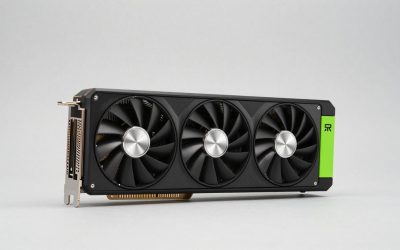
 ASUS Prime AMD Radeon RX 9070 XT
- Axial-tech fans now feature a smaller fan hub…
- Phase-change GPU thermal pad helps ensure optimal heat…
- 2.5-slot design allows for greater build compatibility while…
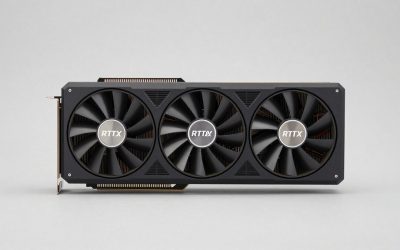
 ASUS Dual NVIDIA GeForce RTX 5060 Ti
- AI Performance: 767 AI TOPS
- OC mode: 2632 MHz (OC mode)/ 2602 MHz…
- Powered by the NVIDIA Blackwell architecture and DLSS…
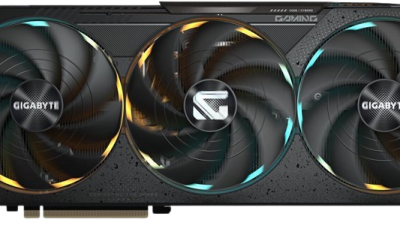
 GIGABYTE GeForce RTX 5050 Gaming OC 8G
- Powered by the NVIDIA Blackwell architecture and DLSS…
- Powered by GeForce RTX 5050
- WINDFORCE cooling system
| Product | Key specs | |
|---|---|---|
| ASUS Prime AMD Radeon RX 9070 XT | Axial-tech fans now feature a smaller fan hub… Phase-change GPU thermal pad helps ensure optimal heat… 2.5-slot design allows for greater build compatibility while… | Check price |
| ASUS Dual NVIDIA GeForce RTX 5060 Ti | AI Performance: 767 AI TOPS OC mode: 2632 MHz (OC mode)/ 2602 MHz… Powered by the NVIDIA Blackwell architecture and DLSS… | Check price |
| GIGABYTE GeForce RTX 5050 Gaming OC 8G | Powered by the NVIDIA Blackwell architecture and DLSS… Powered by GeForce RTX 5050 WINDFORCE cooling system | Check price |
 GIGABYTE GeForce RTX 5070 Ti Gaming OC GIGABYTE GeForce RTX 5070 Ti Gaming OC | Check price | |
 GIGABYTE Radeon RX 9070 XT Gaming OC GIGABYTE Radeon RX 9070 XT Gaming OC | Powered by Radeon RX 9070 XT WINDFORCE Cooling System Hawk Fan | Check price |
 ASUS Dual NVIDIA GeForce RTX 5060 8GB ASUS Dual NVIDIA GeForce RTX 5060 8GB | Check price | |
 GIGABYTE GeForce RTX 5070 Gaming OC 12G GIGABYTE GeForce RTX 5070 Gaming OC 12G | Powered by the NVIDIA Blackwell architecture and DLSS… Powered by GeForce RTX 5070 Integrated with 12GB GDDR7 192bit memory interface | Check price |
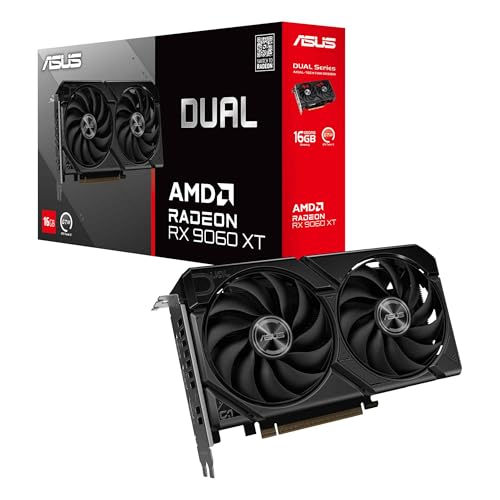 ASUS Dual Radeon RX 9060 XT 16GB ASUS Dual Radeon RX 9060 XT 16GB | Axial-tech fans now feature a smaller fan hub… 2.5-slot design allows for greater build compatibility while… 0dB technology lets you enjoy light gaming in… | Check price |
As an Amazon Associate we earn from qualifying purchases at no extra cost to you.
🎮 Get More From Your Setup — Free
Prime Gaming gives you free PC games every month, in-game loot, and a free Twitch channel sub — plus fast free shipping on all the gear above. New members get a 30-day free trial.
Watch: Best What’s The Best GPU For Gaming — Video Review
How to Choose a Best GPU For Gaming (2026)
- Resolution target: An 8GB card handles 1080p comfortably, but 1440p and 4K gaming demand 12GB or more of VRAM to avoid stutter in modern titles.
- VRAM and memory type: GDDR7 offers higher bandwidth than GDDR6, which matters most at higher resolutions and with ray tracing enabled.
- Cooling and slot size: Cards with 2.5+ slot designs and multiple axial-tech fans run cooler and quieter under sustained load, but confirm your case has the clearance.
- Upscaling support: DLSS 4 and FSR features can significantly boost frame rates in supported games, effectively extending a card’s useful lifespan.
- Connectivity and power: Check for PCIe 5.0, HDMI 2.1/DisplayPort 2.1 support for high-refresh monitors, and confirm your PSU wattage meets the card’s requirements.
The Best Best GPU For Gaming (2026)s Reviewed
ASUS Prime Radeon RX 9070 XT 16GB OC
A strong 1440p-to-4K performer, the Prime RX 9070 XT pairs 16GB of GDDR6 with a well-engineered Axial-tech cooling setup and dual BIOS flexibility, making it a reliable choice for AMD loyalists who want headroom for future titles.
ASUS Dual RTX 5060 Ti 16GB OC
This card hits a sweet spot for 1440p gamers, combining 16GB of GDDR7 with DLSS 4 support and near-silent 0dB idle operation, giving it excellent longevity without the price tag of higher-tier cards.
ASUS TUF Gaming RTX 5070 12GB OC
Built with military-grade components and a protective PCB coating, the TUF RTX 5070 is designed for gamers who want durability alongside solid 1440p performance and full DLSS 4 support.
MSI Gaming RTX 5060 Ti 16G Shadow 2X OC
MSI’s Shadow 2X design keeps this Blackwell-based card compact without sacrificing the 16GB GDDR7 buffer, making it a smart pick for smaller builds that still need serious 1440p headroom.
GIGABYTE Radeon RX 9070 XT Gaming OC 16G
GIGABYTE’s take on the RX 9070 XT delivers the same 16GB GDDR6 performance tier with its own robust cooling solution, appealing to buyers who prioritize thermals and factory overclocks.
Frequently Asked Questions
How much VRAM do I actually need for gaming in 2026?
For 1080p gaming, 8GB is sufficient for most current titles. For 1440p or 4K, aim for 12-16GB to keep textures loaded smoothly and avoid stuttering in newer, more demanding games.
Is AMD or NVIDIA better for gaming right now?
Both are competitive. NVIDIA’s RTX 5000 series generally leads in ray tracing and DLSS 4 upscaling, while AMD’s RX 9070 XT offers strong raw performance and VRAM value, often at a more competitive price point.
Do I need PCIe 5.0 to use these cards?
No. PCIe 5.0 cards are backward-compatible with PCIe 4.0 and 3.0 motherboards; you’ll just be limited to the bandwidth of your existing slot, which has minimal real-world impact on gaming performance today.
Will my power supply be enough?
Check the manufacturer’s recommended PSU wattage for each card, typically 550-750W depending on the model, and ensure your PSU has the correct PCIe power connectors before purchasing.
Final Thoughts
For most gamers, the ASUS Dual RTX 5060 Ti 16GB OC offers the best balance of price, VRAM, and DLSS 4 support for 1440p gaming, while the ASUS Prime Radeon RX 9070 XT is the top pick for those wanting maximum performance headroom into 4K. Budget-conscious buyers eyeing 1080p should strongly consider the ASUS Dual RTX 5060 8GB for reliable, efficient performance without overspending.