Choosing a graphics card for 1440p gaming in 2026 means navigating a crowded field of options that all claim to deliver smooth, high-fidelity performance without wrecking your budget. Between competing architectures from Intel, AMD, and NVIDIA, differing memory configurations, and marketing jargon like upscaling and frame generation, it’s easy to overspend on power you don’t need or underspend and end up bottlenecked at higher settings.
This guide breaks down six of the most compelling 1440p-class GPUs on the market right now, explains what actually matters when shopping for one, and answers the questions we hear most often from gamers upgrading their rigs.
Our top picks
 ASRock Intel Arc A580 Challenger 8GB OC
- Next-Gen Intel Arc Graphics: Powered by Intel Arc…
- High-Performance Memory: 8GB GDDR6 on a 256-bit interface…
- Factory Overclocked: Engine clock set at 2000 MHz…
 ASRock Intel Arc B570 Challenger 10GB OC
- Advanced Intel Arc Performance: Intel Arc B570 GPU…
- Next-Gen Xe2-HPG Architecture: Features Intel Xe2-HPG architecture with…
- High Clock Speeds: GPU clock speed of 2600…
| Product | Key specs | |
|---|---|---|
| ASRock Intel Arc A580 Challenger 8GB OC | Next-Gen Intel Arc Graphics: Powered by Intel Arc… High-Performance Memory: 8GB GDDR6 on a 256-bit interface… Factory Overclocked: Engine clock set at 2000 MHz… | Check price |
| ASRock Intel Arc B570 Challenger 10GB OC | Advanced Intel Arc Performance: Intel Arc B570 GPU… Next-Gen Xe2-HPG Architecture: Features Intel Xe2-HPG architecture with… High Clock Speeds: GPU clock speed of 2600… | Check price |
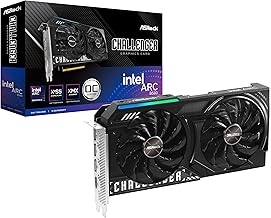 ASRock Intel Arc B580 Challenger 12GB OC ASRock Intel Arc B580 Challenger 12GB OC | Check price | |
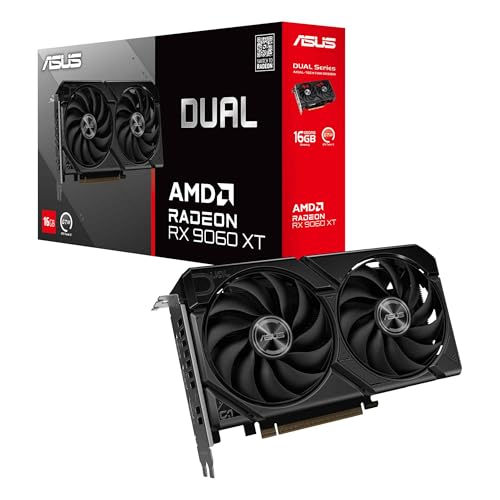 ASUS Dual Radeon RX 9060 XT 16GB ASUS Dual Radeon RX 9060 XT 16GB | Axial-tech fans now feature a smaller fan hub… 2.5-slot design allows for greater build compatibility while… 0dB technology lets you enjoy light gaming in… | Check price |
 ASUS Dual NVIDIA GeForce RTX 5060 Ti ASUS Dual NVIDIA GeForce RTX 5060 Ti | AI Performance: 767 AI TOPS OC mode: 2632 MHz (OC mode)/ 2602 MHz… Powered by the NVIDIA Blackwell architecture and DLSS… | Check price |
 GIGABYTE Radeon RX 9070 XT Gaming OC GIGABYTE Radeon RX 9070 XT Gaming OC | Powered by Radeon RX 9070 XT WINDFORCE Cooling System Hawk Fan | Check price |
 GIGABYTE Radeon™ RX 9060 XT Gaming OC GIGABYTE Radeon™ RX 9060 XT Gaming OC | Powered by Radeon RX 9060 XT - Built… WINDFORCE Cooling System - The WINDFORCE cooling system… RGB Lighting - With 16.7M customizable color options… | Check price |
 ASUS Prime AMD Radeon RX 9070 XT ASUS Prime AMD Radeon RX 9070 XT | Axial-tech fans now feature a smaller fan hub… Phase-change GPU thermal pad helps ensure optimal heat… 2.5-slot design allows for greater build compatibility while… | Check price |
As an Amazon Associate we earn from qualifying purchases at no extra cost to you.
🎮 Get More From Your Setup — Free
Prime Gaming gives you free PC games every month, in-game loot, and a free Twitch channel sub — plus fast free shipping on all the gear above. New members get a 30-day free trial.
Watch: Best Video Card For 1440p Gaming — Video Review
How to Choose a Video Card For 1440p Gaming (2026)
- VRAM Capacity: Aim for at least 12GB at 1440p; modern titles and texture packs increasingly demand more headroom than 8GB can offer.
- GPU Architecture & Generation: Newer architectures (Xe2-HPG, RDNA 4, Blackwell) bring better efficiency and ray tracing performance per dollar than older generations.
- Cooling & Noise: Dual-fan coolers with 0dB idle modes keep temperatures in check and your PC silent during light workloads or desktop use.
- Upscaling & Frame Generation: Features like DLSS 4, FSR, and XeSS can significantly boost frame rates in demanding games without a visible quality hit.
- Power & Case Compatibility: Check slot width (2.5-slot cards need clearance), PSU wattage requirements, and connector type (PCIe 5.0 vs 4.0) before buying.
The Best Video Card For 1440p Gaming (2026)s Reviewed
ASRock Arc B580 Challenger 12GB
The B580 is the sweet spot in Intel’s current lineup, pairing a 192-bit bus and 12GB of GDDR6 with genuinely quiet dual-fan cooling. It’s an excellent value pick for gamers who want strong 1440p performance without paying flagship prices.
ASUS Dual Radeon RX 9060 XT 16GB
With 16GB of GDDR6 and PCIe 5.0 support, this card is built to stay relevant well into future game releases. AMD’s Axial-tech cooling and 0dB idle mode make it a reliable, low-noise choice for extended gaming sessions.
ASUS Dual GeForce RTX 5060 Ti 16GB
NVIDIA’s DLSS 4 support gives this card a real edge in ray-traced and demanding titles, and 16GB of GDDR7 ensures it won’t be memory-starved anytime soon. It’s a strong all-rounder for gamers who prioritize upscaling quality.
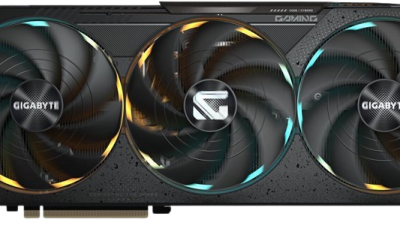
GIGABYTE Radeon RX 9070 XT Gaming OC 16G
This is the performance ceiling of the group, offering 16GB of GDDR6 and PCIe 5.0 bandwidth for gamers pushing high refresh rates at 1440p or dabbling in light 4K. GIGABYTE’s Gaming OC cooler keeps thermals well managed under sustained load.
ASRock Arc B570 Challenger 10GB
A slightly leaner alternative to the B580, the B570 still delivers fast 19 Gbps memory and modern display outputs like HDMI 2.1a and DisplayPort 2.1. It’s a solid budget-conscious option for 1440p gaming at high, if not maxed-out, settings.
Frequently Asked Questions
Is 8GB of VRAM enough for 1440p in 2026?
Generally no. While 8GB cards like the Arc A580 can handle older or less demanding titles, most current and upcoming AAA games benefit from 12GB or more to avoid texture streaming issues and stuttering.
Do I need PCIe 5.0 for these graphics cards?
No, PCIe 5.0 cards are backward compatible with PCIe 4.0 and 3.0 motherboards, though you’ll be limited to the bandwidth your board supports. The real-world performance difference at 1440p is minimal for most gamers.
How much power supply wattage do I need?
Requirements vary by card, but most of these GPUs recommend a 650W to 750W power supply from a reputable brand. Always check the manufacturer’s specific recommendation and your PSU’s available PCIe power connectors.
Is AMD, Intel, or NVIDIA better for 1440p gaming?
Each has strengths: NVIDIA leads in upscaling and ray tracing software support, AMD offers strong raw performance and VRAM per dollar, and Intel’s Arc cards deliver surprising value for budget-focused builds. The best choice depends on your budget and priorities.
Final Thoughts
For most gamers building a 1440p rig in 2026, the ASUS RTX 5060 Ti 16GB and ASUS RX 9060 XT 16GB stand out as the best-balanced options, while the ASRock Arc B580 remains the top pick for anyone prioritizing value over outright performance.